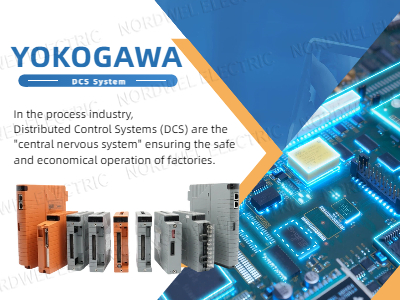
In the process industry, Distributed Control Systems (DCS) are the "central nervous system" ensuring the safe and economical operation of factories. Traditionally, their reliability has been achieved primarily through hardware redundancy, regular maintenance, and strict management. However, with the deepening of digital transformation, reliability faces new challenges: cyberattacks, data silos, an...
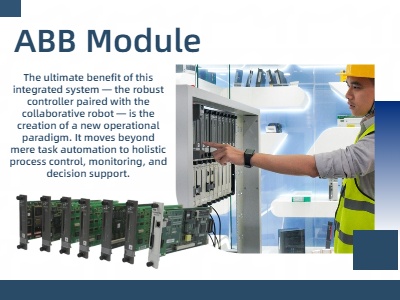
In the world of industrial automation, true transformation begins at the core. While collaborative robots (cobs) capture attention with their dexterous movements, it is the intelligence within — the processor module — that orchestrates their role in reshaping industries. This critical component, built upon decades of DCS (Distributed Control System) engineering philosophy, does far more than execu...
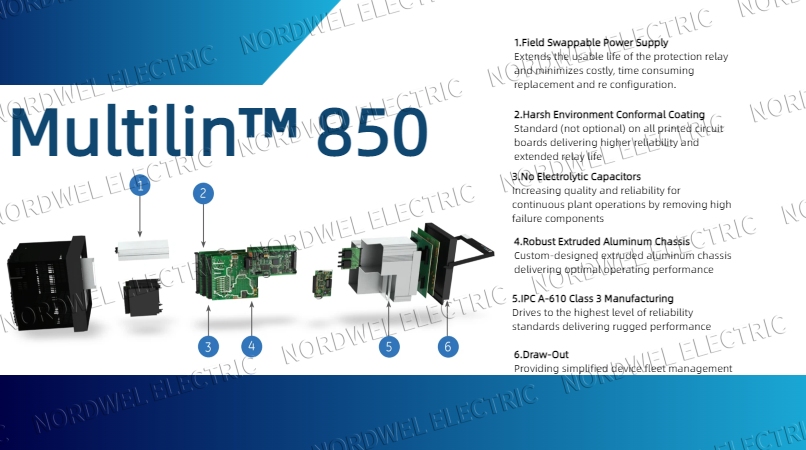
In today's increasingly demanding industrial and distribution networks with stringent requirements for power continuity and asset reliability, the advent of GE's new generation Multilin 850 feeder protection system marks a new height in medium-voltage feeder protection and control technology. As a core member of the Multilin 8 series platform, this device is specifically designed for primary and b...
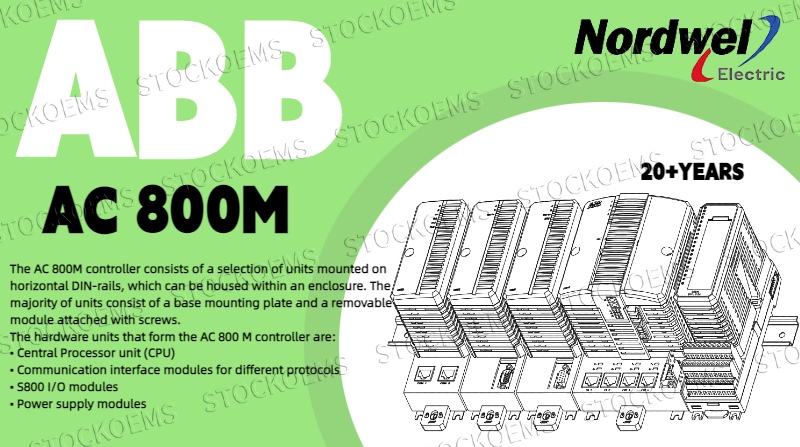
The core design philosophy of the ABB AC 800M series controllers lies in their exceptional modularity and flexibility, forming a solid foundation for addressing the challenges of complex industrial environments. The controller is not a fixed, monolithic device, but rather a collaborative system of standardized hardware units, including a central processing unit (CPU), communication interface modul...
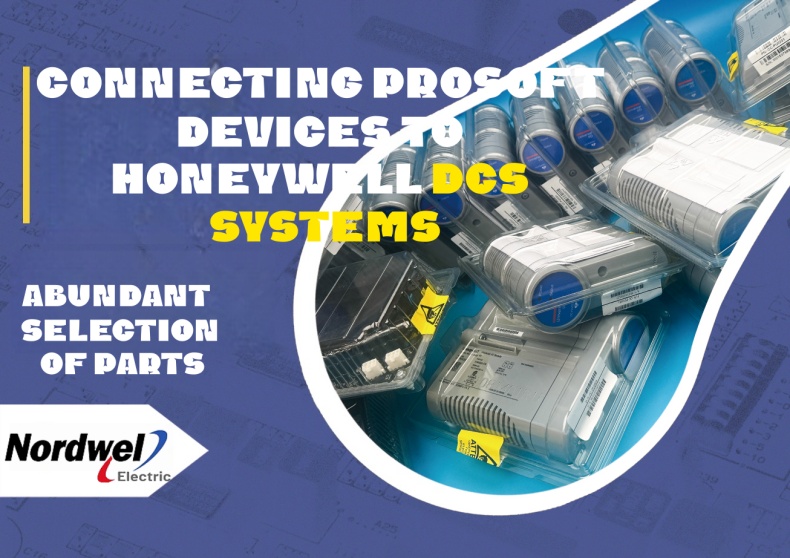
Seizing the Opportunities of DCS Modernization: The Key Role of Communication Bridging Technology As a large number of Distributed Control Systems (DCS) in process industries face technological obsolescence, the need for modernization is becoming increasingly urgent for enterprises. While traditional DCS systems from brands like Honeywell have maintained stable performance for many years, their ag...
In the central control room of a petrochemical refinery, thousands of process parameters dance across massive screens; in the corner of a power plant, black cabinets quietly process vast amounts of data. The unsung hero behind it all is the DCS (Distributed Control System). It is not only the "nervous system" of industrial production, connecting field equipment with central control decisions, but ...
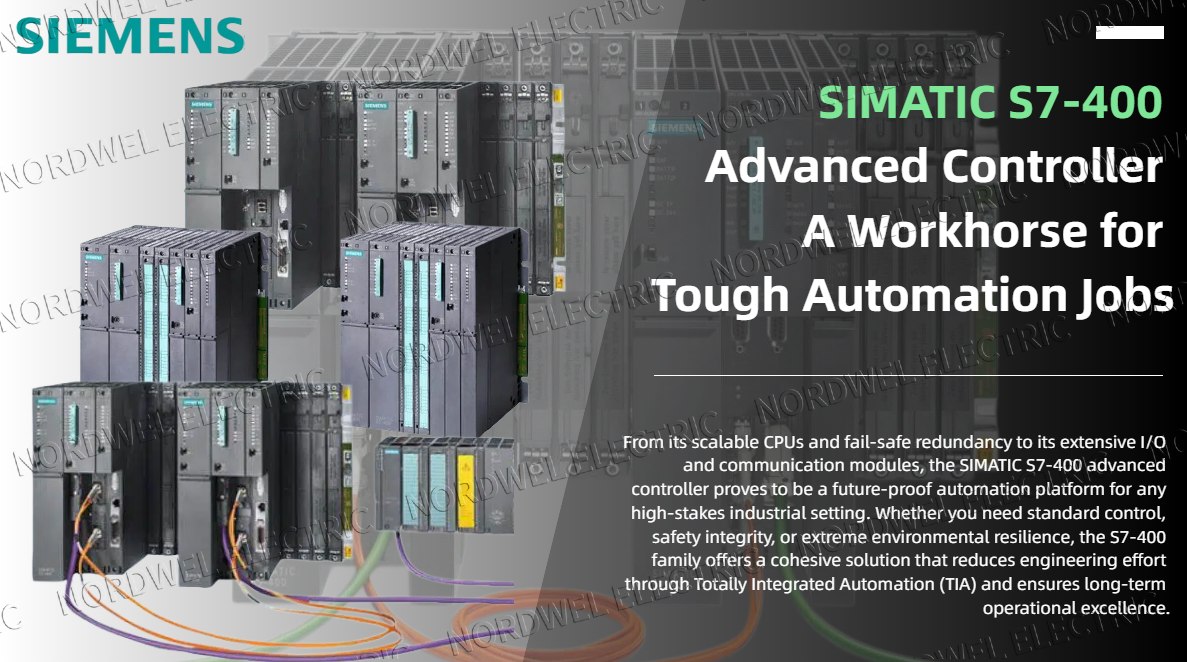
What Exactly Is the SIMATIC S7-400 and Who Needs It? Siemens built the SIMATIC S7-400 for engineers who deal with really demanding production lines or process plants. Think power stations, oil refineries, or car manufacturing. This controller is modular, which means you can mix and match parts depending on what your machine needs. Back in May 2017, Siemens released the ST 400 catalog showing all t...
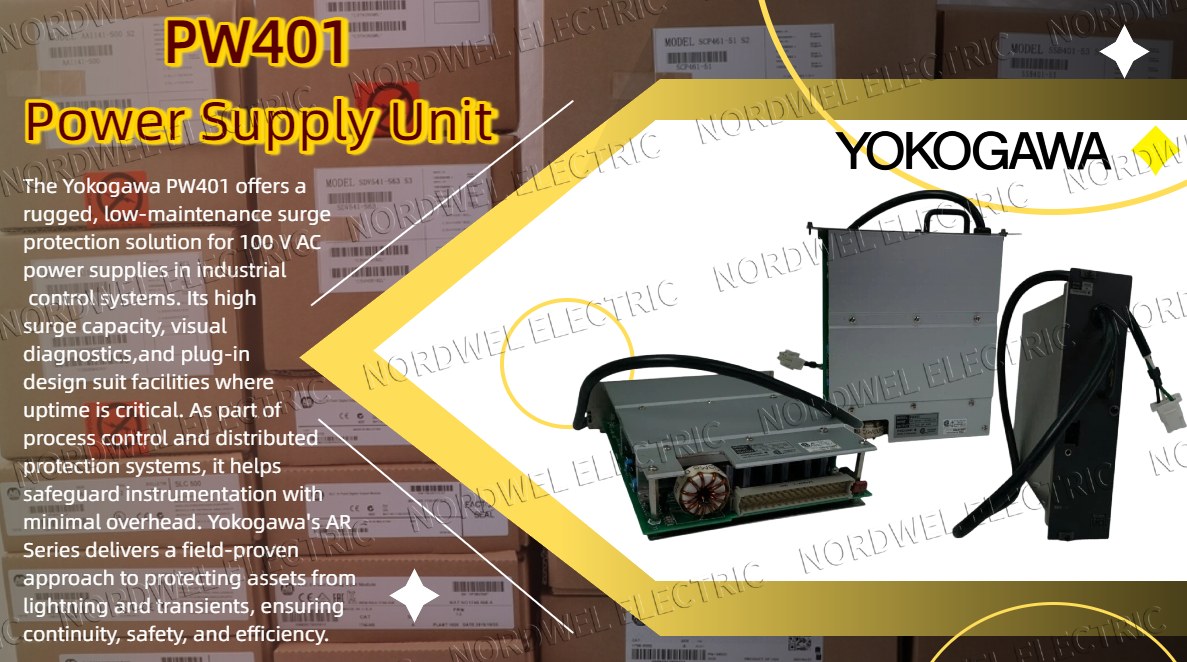
Essential Protection for Critical Field Instruments in Process Control The Yokogawa PW401 is a high-performance surge arrester engineered to safeguard 100 V AC power supply lines for field instruments carrying load currents up to 20 A. Designed specifically for industrial automation and process control environments, this device absorbs the energy from inductive lightning surges and transient overv...