

Introduction: Current Status and Energy-Saving Potential of Motor Systems In industrial production, electric motors account for approximately 70% of global industrial electricity consumption. Traditional motor operation follows an "all-or-nothing" approach - either running at full speed or completely stopping - resulting in significant energy waste. Research shows that optimizing motor systems can...
Redefining Proactive Maintenance Through Sensing Technology In an era where unplanned downtime translates to massive financial and operational consequences, traditional monitoring methods show increasing limitations. Bentley's newly enhanced sensing solution addresses this gap through a fundamentally different approach to machinery health assessment. Rather than simply measuring vibration, these a...
What is a DCS System? A Distributed Control System (DCS) is an advanced automation solution designed to manage industrial processes across various sections of a plant. Unlike centralized systems, DCS architecture decentralizes control tasks while enabling centralized monitoring and coordination. It integrates key technologies such as computing, communication, human-machine interaction, and process...
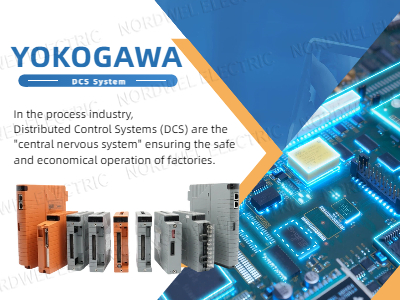
In the process industry, Distributed Control Systems (DCS) are the "central nervous system" ensuring the safe and economical operation of factories. Traditionally, their reliability has been achieved primarily through hardware redundancy, regular maintenance, and strict management. However, with the deepening of digital transformation, reliability faces new challenges: cyberattacks, data silos, an...
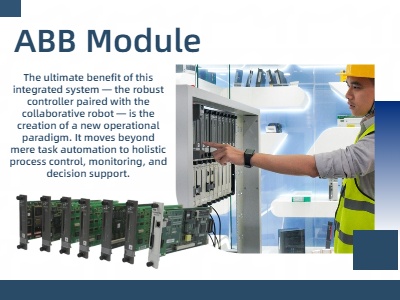
In the world of industrial automation, true transformation begins at the core. While collaborative robots (cobs) capture attention with their dexterous movements, it is the intelligence within — the processor module — that orchestrates their role in reshaping industries. This critical component, built upon decades of DCS (Distributed Control System) engineering philosophy, does far more than execu...