Mid-Year Celebration: A Festive Tribute to Excellence and Team Spirit
Jun 09, 2025
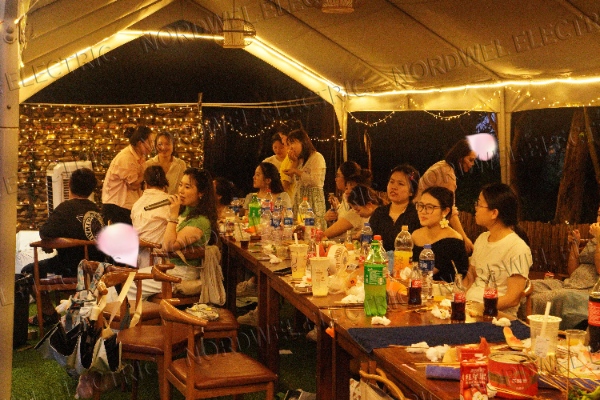
Recognizing Outstanding Employees As we reach the halfway point of the year, it's time to spotlight the dedication and accomplishments of our most outstanding team members. At the heart of our mid-year celebration is the highly anticipated Employee Recognition Ceremony, where we proudly honor individuals whose perseverance, innovation, and positive impact have made a lasting mark. These team players embody the spirit of progress, and their stories inspire us to keep pushing the limits. Their journey is not just about results—it’s about resilience, leadership, and setting the bar higher for us all. Cash Grab Machine: Where Fun Meets Fortune What’s a celebration without a little thrill? Enter the Cash Grab Machine Challenge—a one-minute frenzy that mixes adrenaline with a dash of luck! Participants step into the machine and grab as much flying cash as they can. It’s not just about speed; it's about smart moves and sharp reflexes. With cheers echoing all around, this playful activity stirs laughter, friendly rivalry, and an electrifying atmosphere that brings everyone closer. A Feast to Remember No gathering is complete without indulging in great food. Our Mid-Year Food Festival delivers an irresistible spread featuring handcrafted snacks, rich desserts, and a variety of refreshing beverages. Whether you’re a fan of sweet treats or savory bites, there’s something for everyone. The unlimited buffet is more than just sustenance—it’s a way to unwind, connect, and celebrate how far we've come. Full bellies, happy hearts! Celebration with Purpose While joy fills the air, this event also serves a deeper purpose: to foster unity, boost morale, and recharge our spirits for the road ahead. It’s a reminder that our company culture thrives not only on performance but also on appreciation and camaraderie. These shared moments—the applause, the games, the conversations—become lasting memories that strengthen our bond and shape our collective journey. Looking Ahead Together As the music fades and the lights dim, we walk away not just with prizes or full plates, but with renewed motivation. Our mid-year celebration is more than a party—it’s a promise. A promise that every effort counts, that teamwork pays off, and that the best is yet to come. Let’s carry this energy forward as we embrace the challenges and victories of the next half of the year. Conclusion Celebrating milestones is how we stay connected to our mission and values. Through recognition, laughter, and shared joy, we’ve once again reminded ourselves that success is sweeter when celebrated together. Here's to a powerful second half—fueled by unity, purpose, and passion.
View More