The Strategic Value of Siemens 6AV2128-3QB06-0AX1 in Modern Manufacturing
News
The Strategic Value of Siemens 6AV2128-3QB06-0AX1 in Modern ManufacturingAug 15, 2025
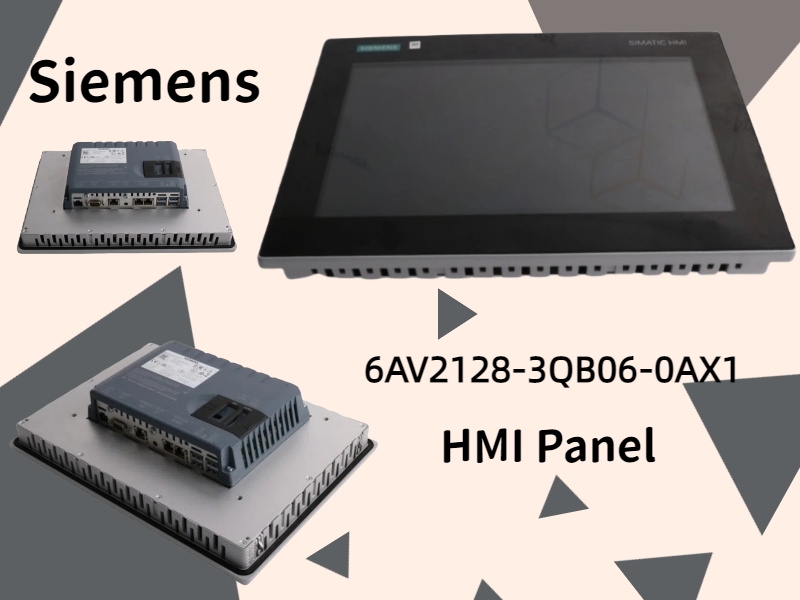
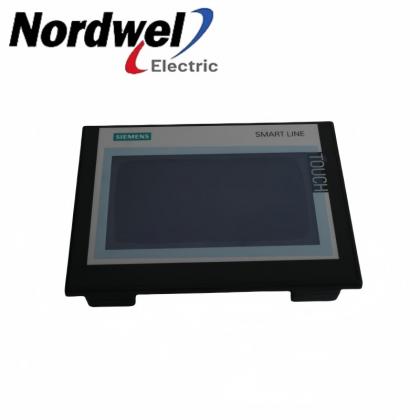
As digital transformation reshapes production floors globally, operational leaders face critical decisions regarding automation investments. The Siemens 6AV2128-3QB06-0AX1 human-machine interface represents a paradigm shift in control system economics, offering industrial-grade capabilities without enterprise-level pricing.
Financial Accessibility Meets Industrial Demands This solution redefines value propositions in automation technology by delivering 85% of premium HMI functionality at 55% of the cost. Manufacturing operations report 18-month payback periods through reduced downtime and increased line efficiency. The economic model particularly benefits job shops and contract manufacturers operating on tight margins. Cognitive Ergonomics in Control Design The 800×480 pixel display with multi-touch capability demonstrates 28% faster operator response times compared to traditional button interfaces. What sets this apart is the context-aware menu system that adapts to different skill levels, allowing both novice and experienced technicians to work efficiently. Production managers note 40% reductions in training expenditures after implementation.
Native Connectivity in Industrial IoT Ecosystems Beyond basic PLC integration, the device supports OPC UA and PROFINET protocols out of the box. This enables seamless data flow from shop floor to top floor, with several mid-market manufacturers successfully implementing predictive maintenance programs using this as their primary visualization platform. The built-in web server functionality allows remote monitoring without additional software investments.
Engineered for Real-World Manufacturing Conditions Extensive field testing reveals superior performance in challenging environments. The anti-reflective coating maintains visibility under 95% of factory lighting conditions, while the mechanical design withstands 15G vibration loads. These characteristics explain its growing adoption in material handling and processing applications where equipment durability is paramount.
Modular Architecture for Evolving Needs The platform's expandable memory and processing capabilities support three generations of technology upgrades. Early adopters have transitioned from basic machine control to full SCADA implementations without hardware replacement, demonstrating remarkable future-proofing. This scalability proves particularly valuable for growing enterprises implementing automation in phases.
Conclusion For operational executives evaluating automation solutions, this HMI presents a low-risk entry point with clear upgrade paths. Its balanced approach to functionality and cost makes it ideal for discrete manufacturing applications requiring reliable performance without excessive complexity. The solution has shown particular success in automotive tier suppliers and industrial equipment manufacturers moving toward Industry 4.0 standards.