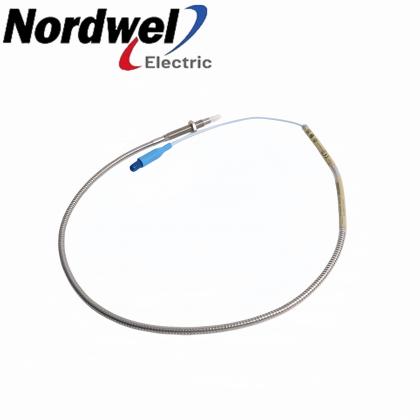
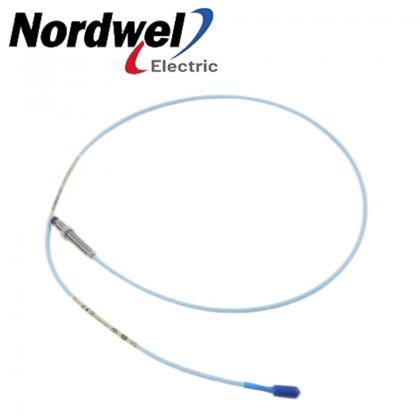
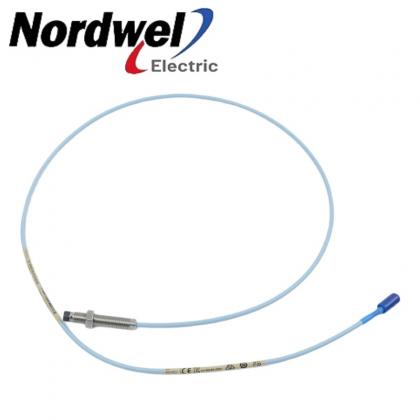
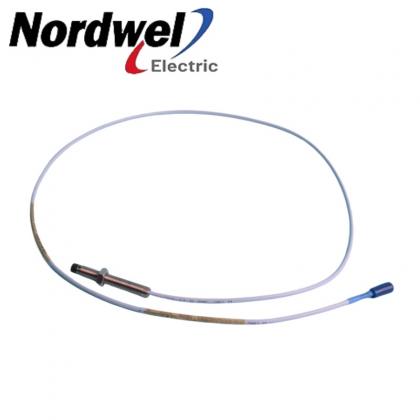
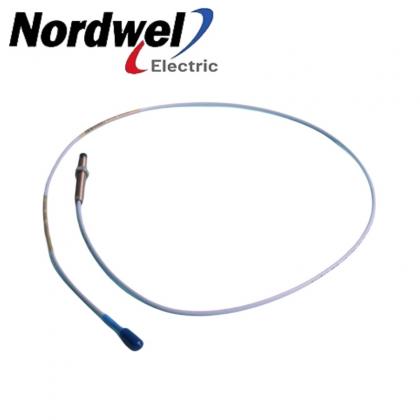
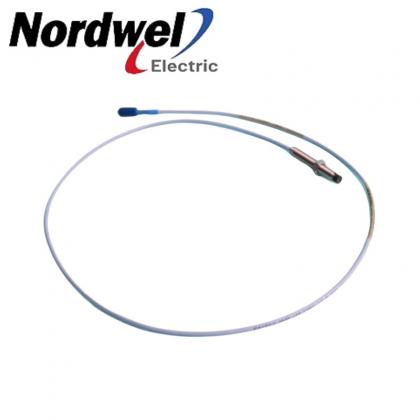
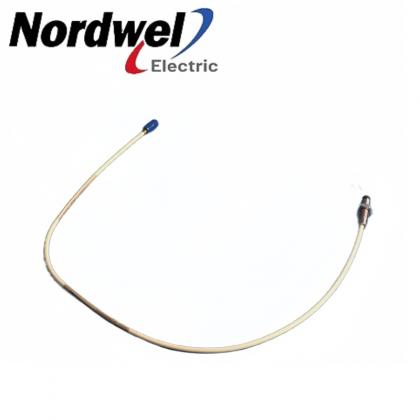
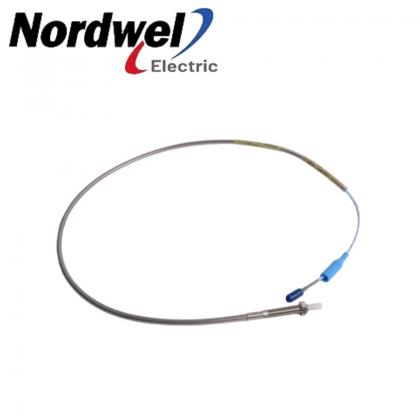
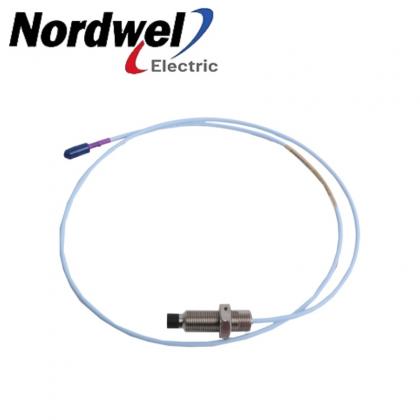
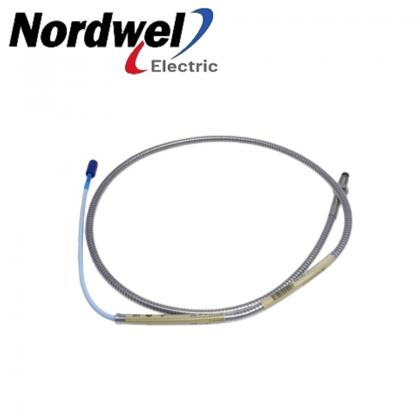
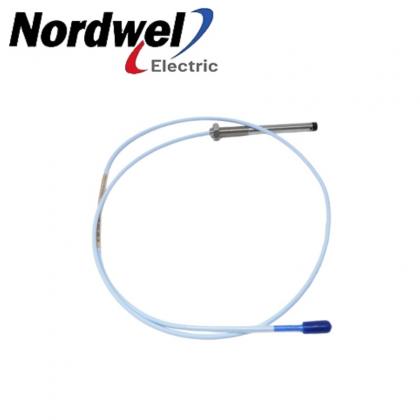
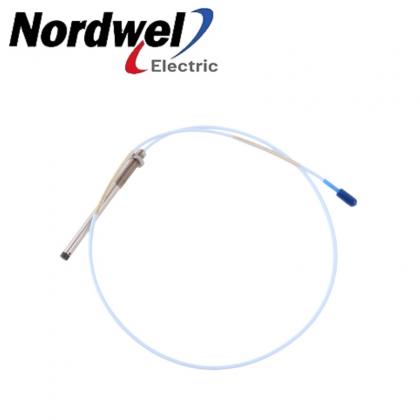
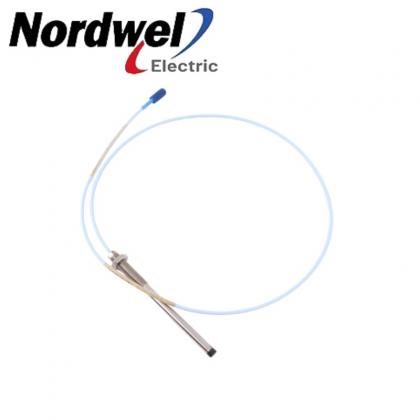
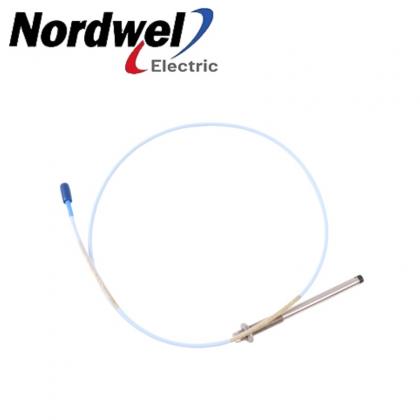
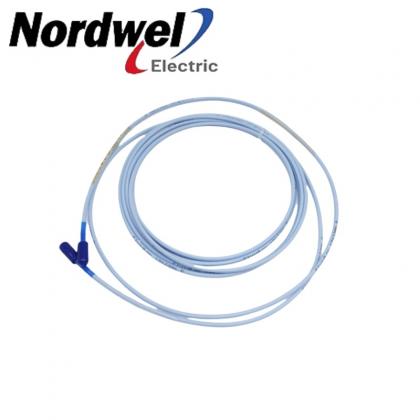
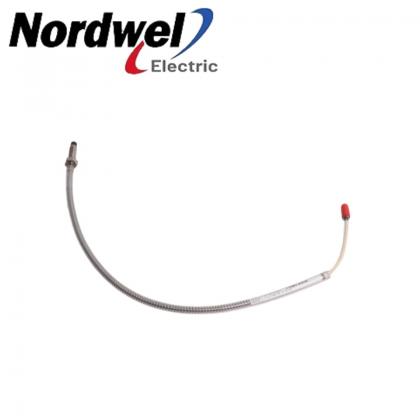
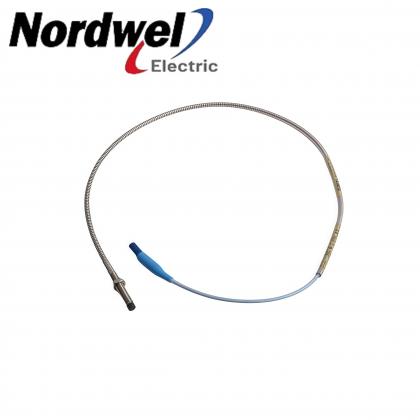
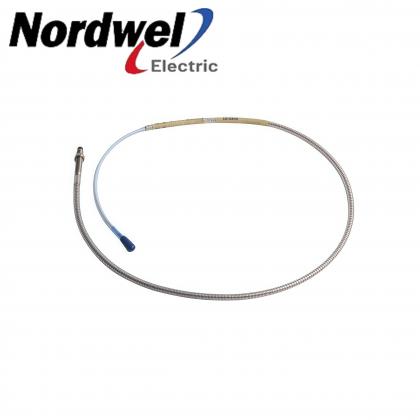
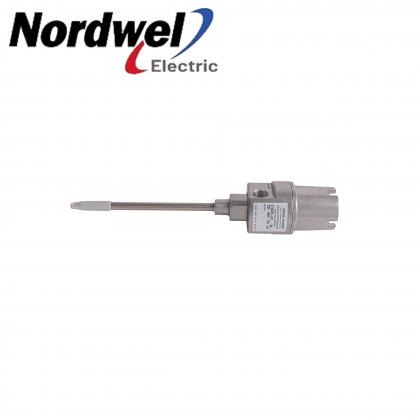
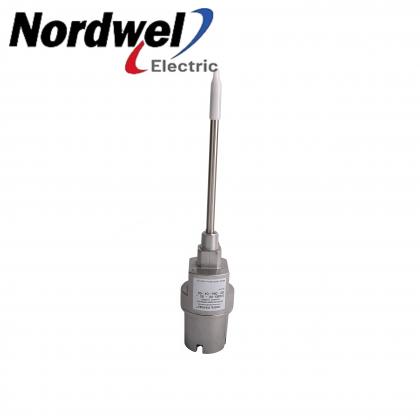
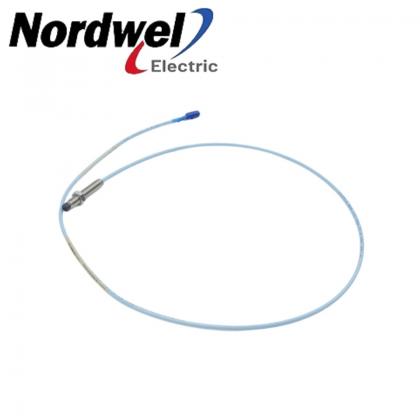
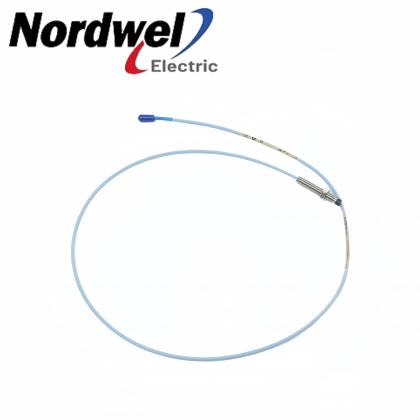
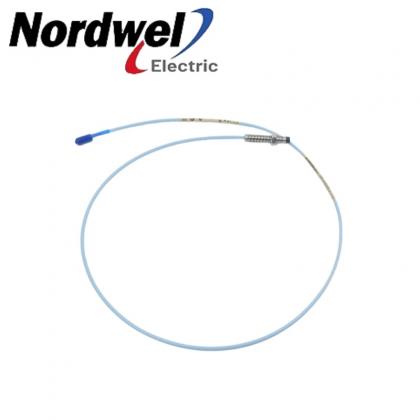
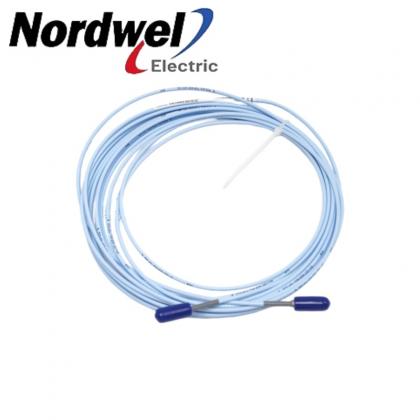
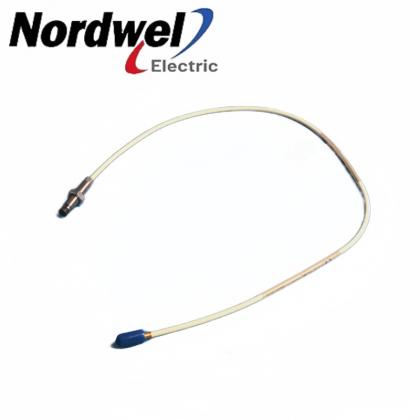
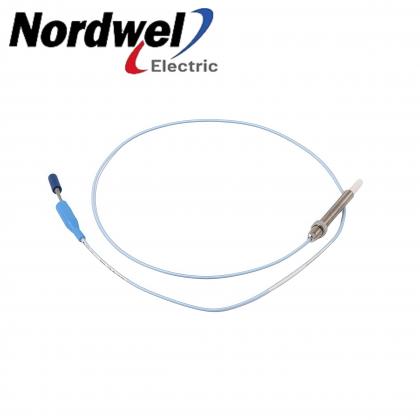
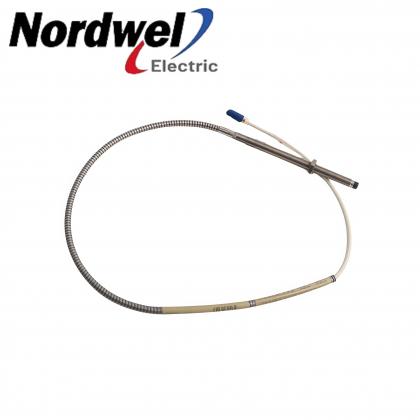
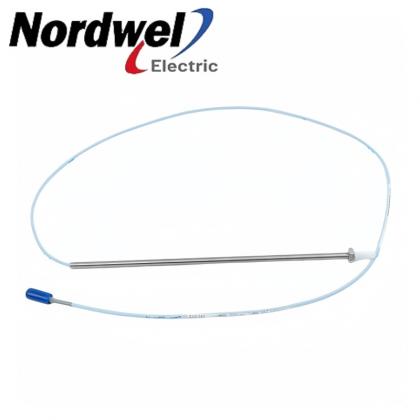
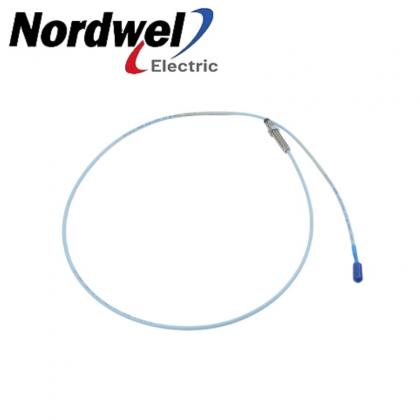
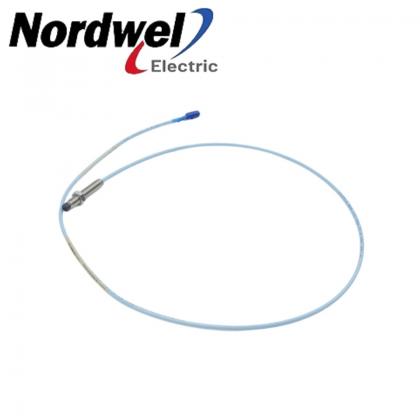
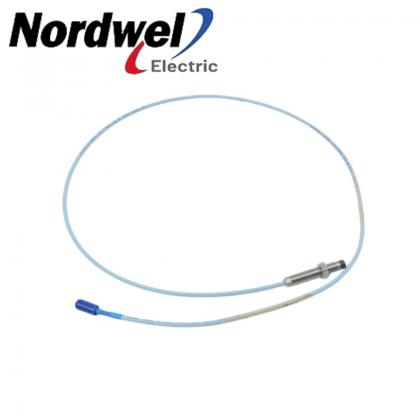
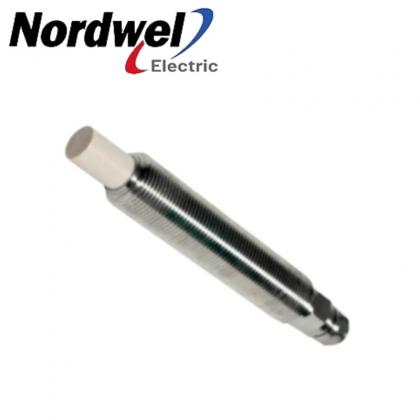
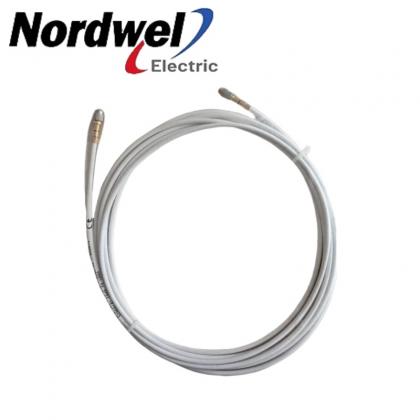
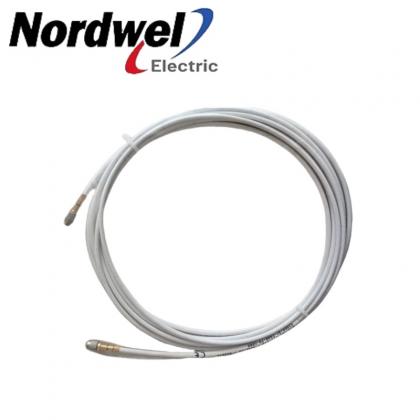
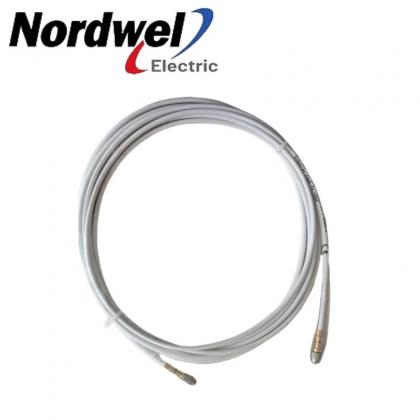
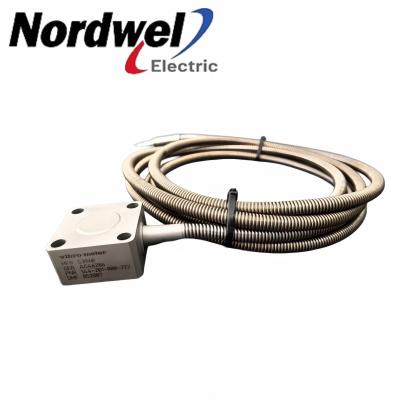
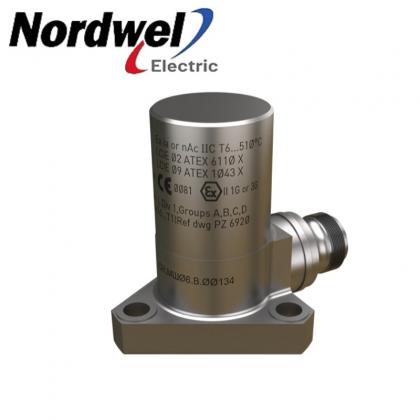
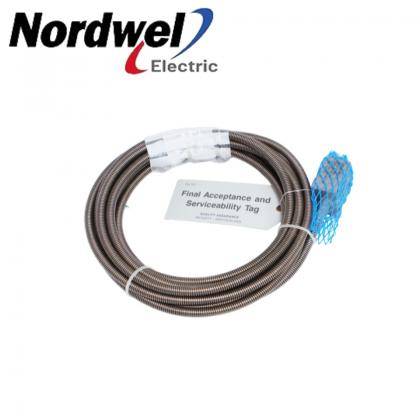
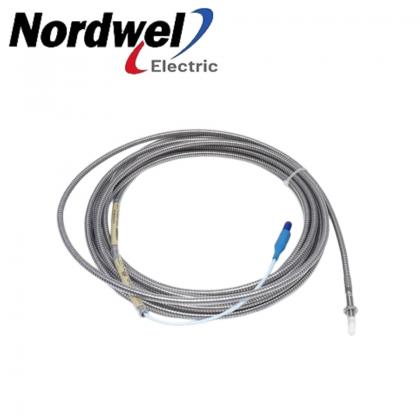
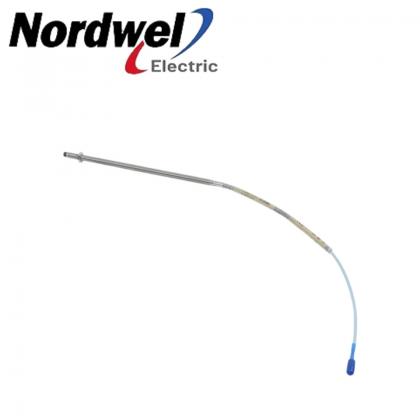
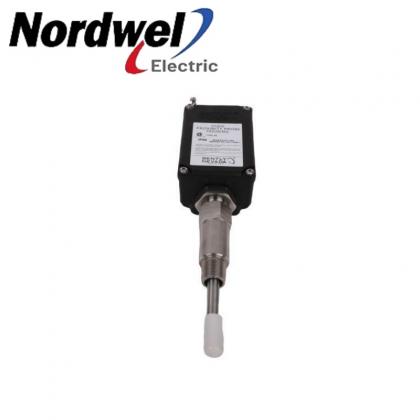
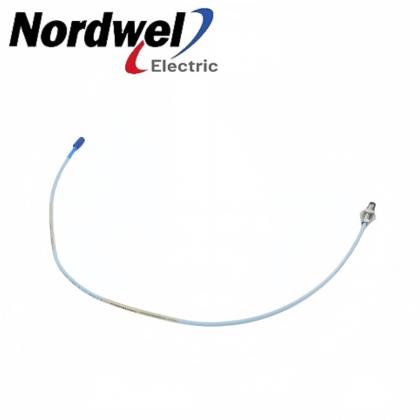
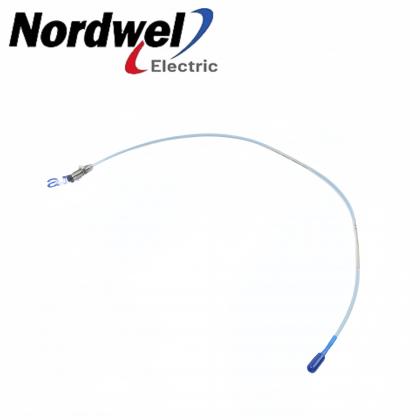
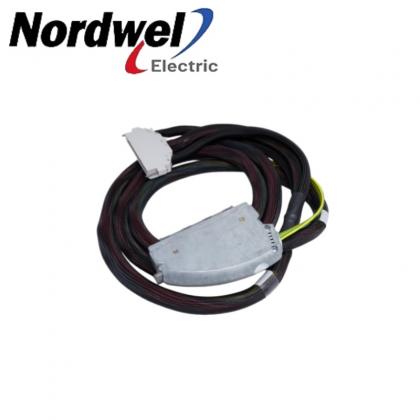
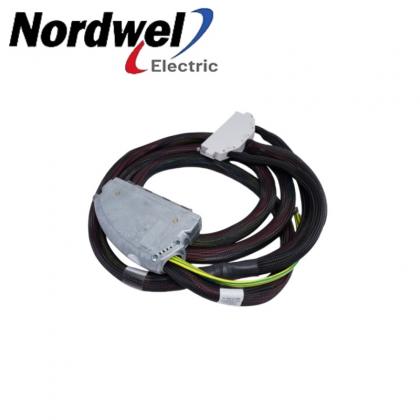
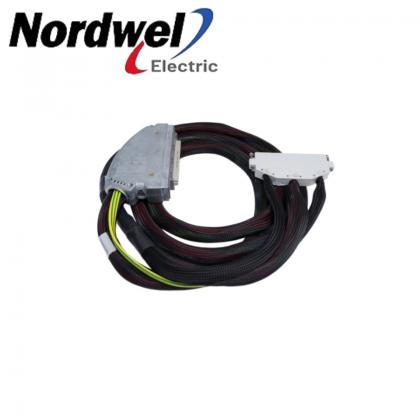
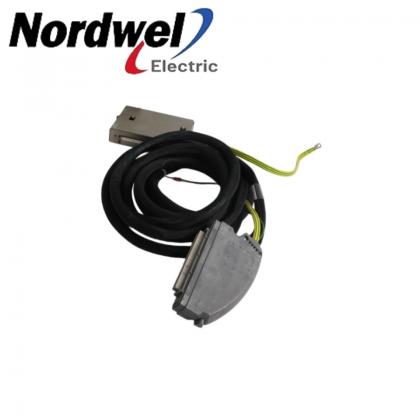
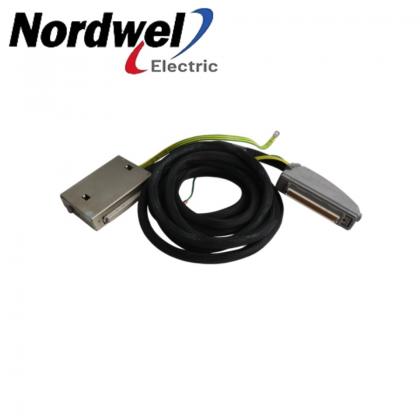
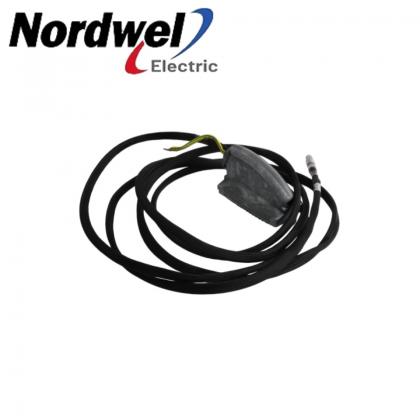
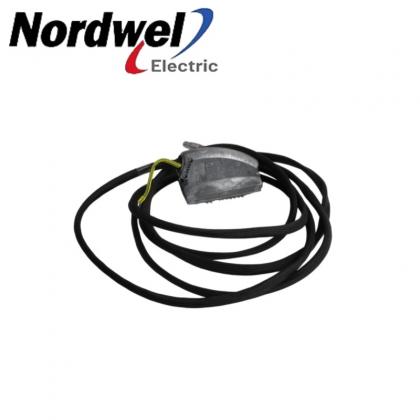
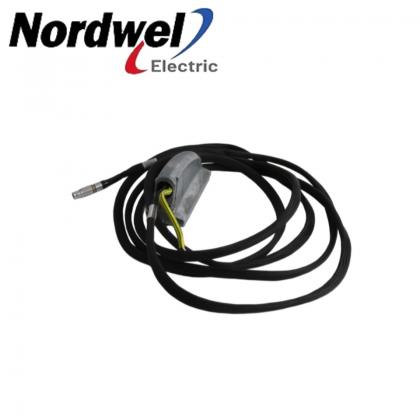
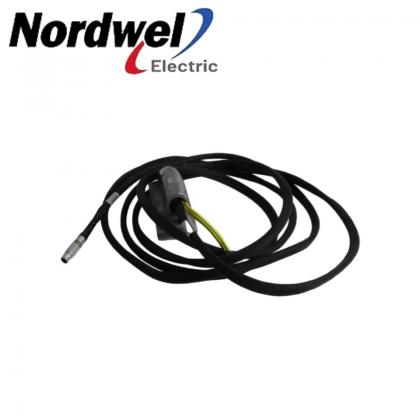
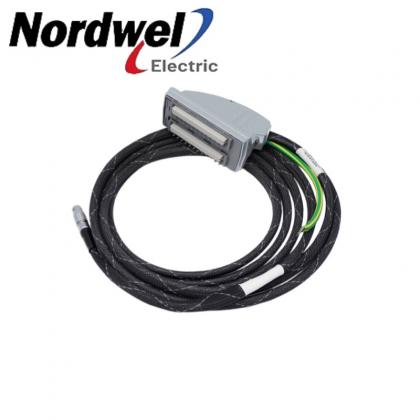
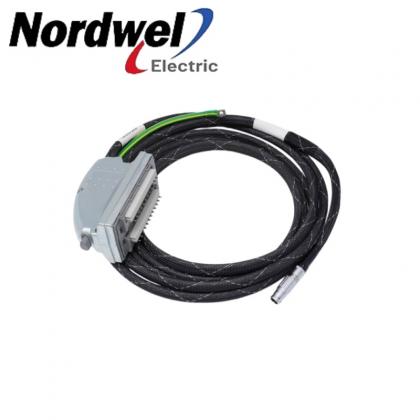
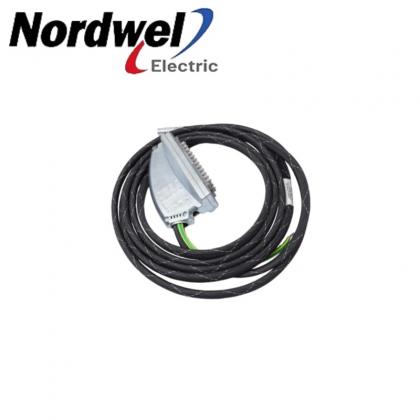
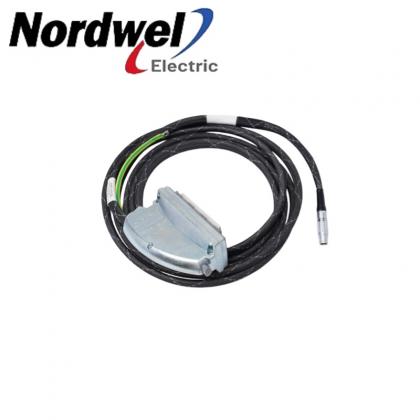
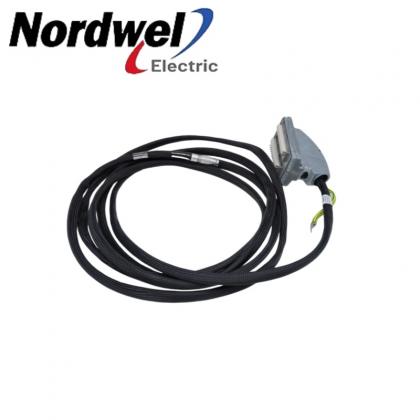
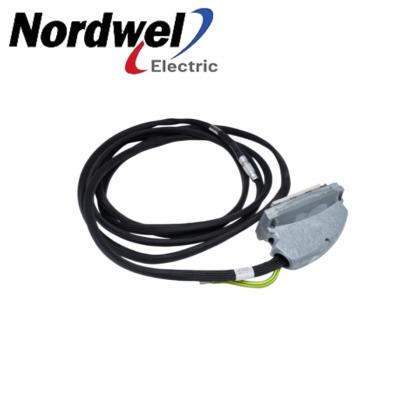
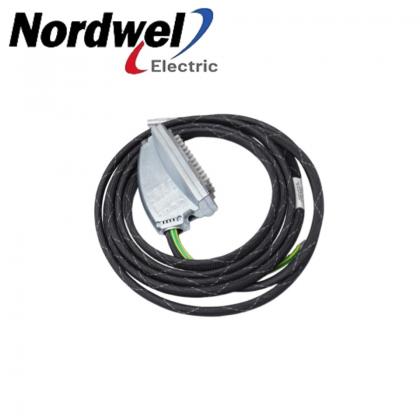
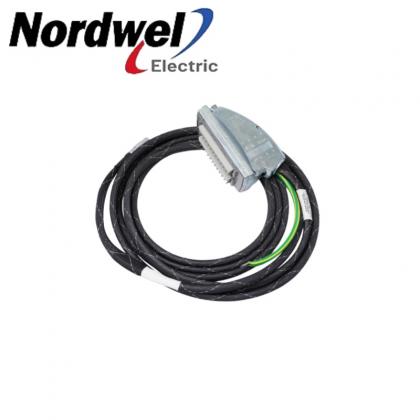
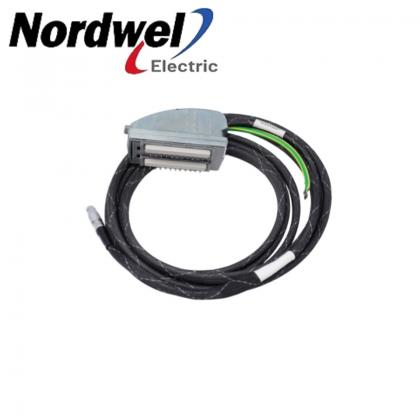
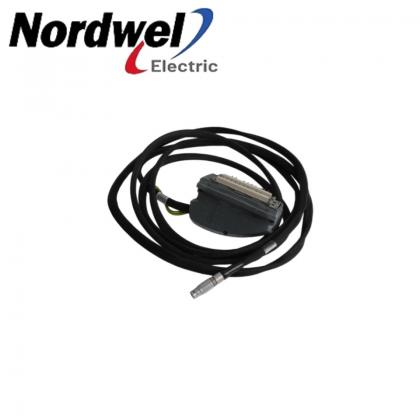
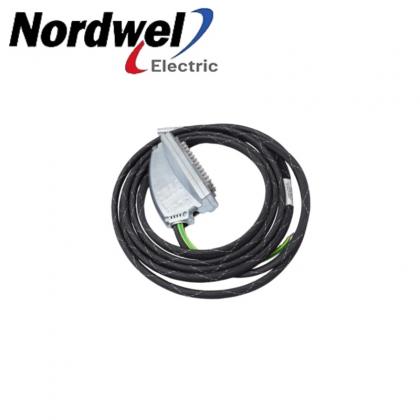
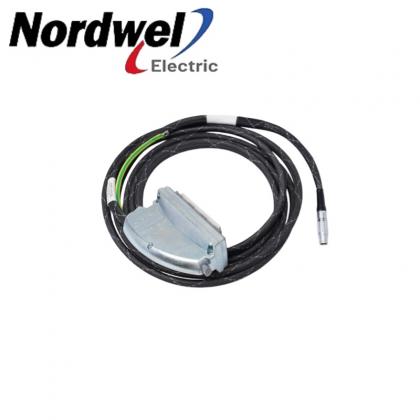
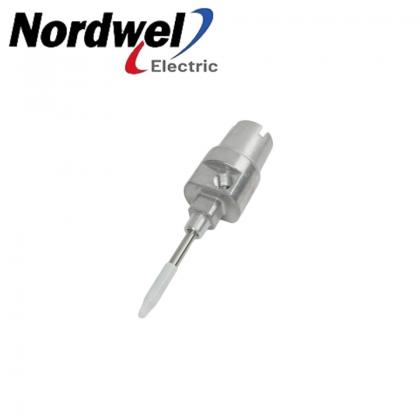
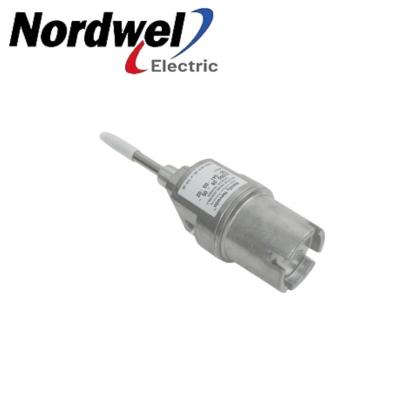
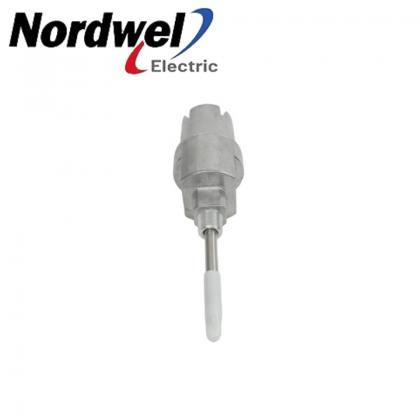
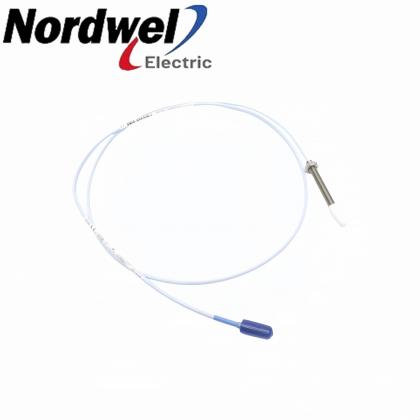
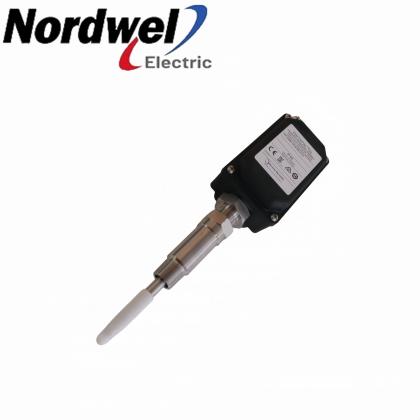
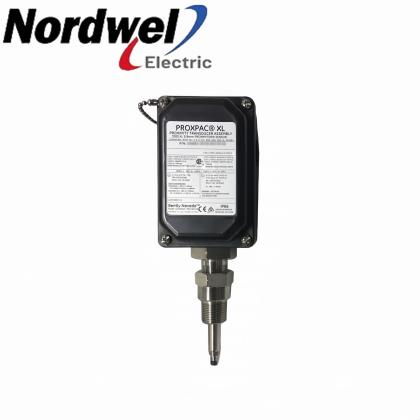
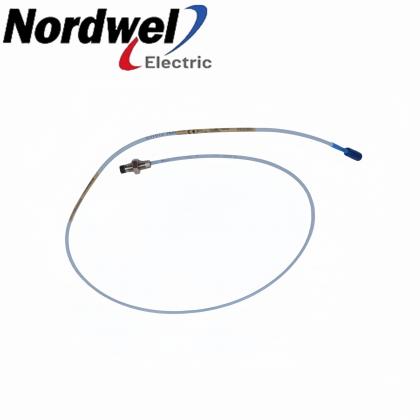
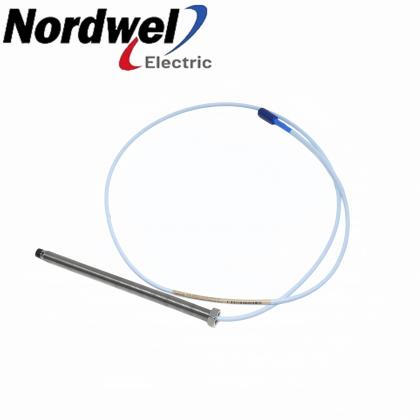
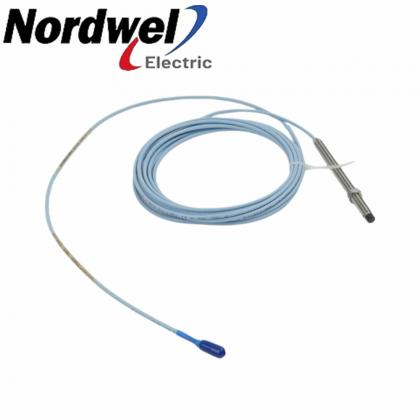
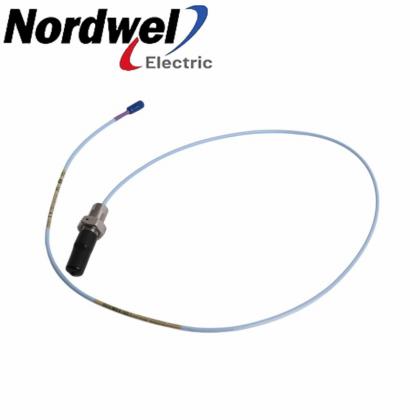
Evolving Beyond Traditional Maintenance Approaches Conventional reactive maintenance practices have long posed challenges for industrial operations. Unexpected equipment failures frequently cause production interruptions, necessitating urgent diagnostics, parts procurement, and repairs. These situations generate substantial emergency maintenance expenses alongside production losses, schedule disruptions, and potential safety incidents. With growing emphasis on operational efficiency, safety, and cost management, transitioning to predictive maintenance frameworks has become increasingly critical. This evolution depends fundamentally on obtaining trustworthy data through precision sensing technology. Essential Sensing Components for System Reliability Predictive maintenance systems require accurate equipment condition information, particularly for rotating machinery where vibration monitoring plays a vital role. The Bently Nevada 24765 series 8mm probes and compatible cables provide high-fidelity vibration measurement capabilities, enabling consistent tracking of shaft dynamics and positional data. These components effectively detect common mechanical issues including imbalance, misalignment, and developing bearing damage. Substandard or non-genuine alternatives may compromise measurement accuracy and generate false indicators, potentially leading to incorrect maintenance decisions.
Framework for Predictive Maintenance Implementation The 24765 series interfaces seamlessly with monitoring systems (such as the 3500 platform) and analytical software like System 1®, establishing an integrated data acquisition and evaluation pipeline. The operational sequence encompasses: - Precise vibration signal detection; - Secure data transmission via specialized cabling; - Sophisticated signal processing and trend analysis; - Early fault detection alerts to facilitate planned maintenance interventions. This integrated approach provides advance notice of equipment degradation, typically weeks or months before failure, enabling optimized maintenance scheduling and resource management.
Operational Advantages and Value Proposition Implementation of this predictive maintenance methodology delivers multiple operational benefits: - Substantial reduction in unscheduled downtime, enhancing overall equipment effectiveness; - Decreased emergency repair requirements and inventory carrying costs; - Improved workplace safety through prevention of catastrophic failures; - Enhanced decision-making through data-driven insights; - Extended equipment operational life through timely interventions. Strategic Implementation Methodology Organizations can adopt predictive maintenance through these structured steps: 1. Prioritize critical assets based on production impact assessment; 2. Evaluate existing sensor installations and upgrade non-conforming components; 3. Integrate enhanced sensing capabilities with monitoring infrastructure; 4. Develop organizational competency in data interpretation and response planning; 5. Execute phased implementation beginning with high-value assets.
Conclusion Developing an effective predictive maintenance ecosystem requires robust data acquisition fundamentals. The Bently Nevada 24765 series delivers the sensing reliability necessary for advanced condition monitoring, supporting the transition from reactive maintenance to proactive equipment management. This approach not only reduces maintenance expenditures but also strengthens operational reliability and safety performance, contributing to sustainable industrial operations.