Introduction: Current Status and Energy-Saving Potential of Motor Systems In industrial production, electric motors account for approximately 70% of global industrial electricity consumption. Traditional motor operation follows an "all-or-nothing" approach - either running at full speed or completely stopping - resulting in significant energy waste. Research shows that optimizing motor systems can...
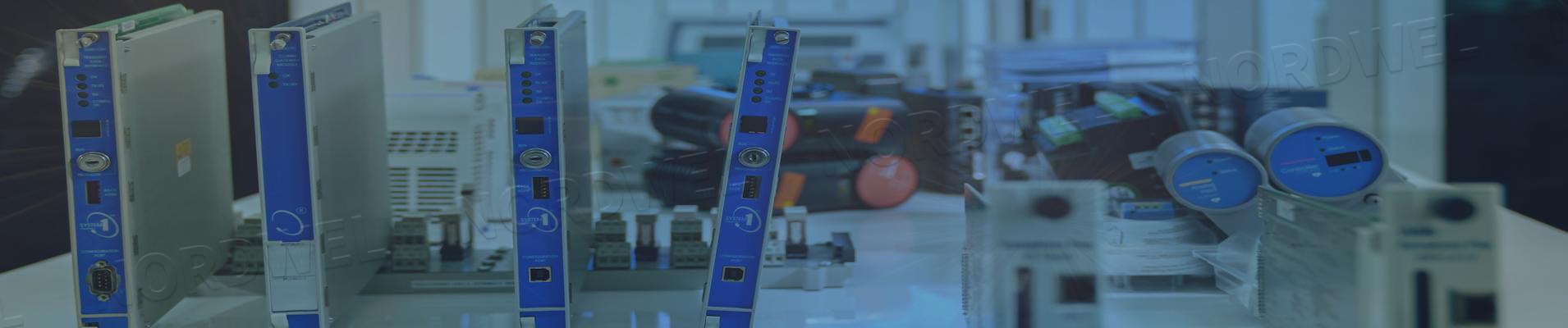
Redefining Proactive Maintenance Through Sensing Technology In an era where unplanned downtime translates to massive financial and operational consequences, traditional monitoring methods show increasing limitations. Bentley's newly enhanced sensing solution addresses this gap through a fundamentally different approach to machinery health assessment. Rather than simply measuring vibration, these a...
What is a DCS System? A Distributed Control System (DCS) is an advanced automation solution designed to manage industrial processes across various sections of a plant. Unlike centralized systems, DCS architecture decentralizes control tasks while enabling centralized monitoring and coordination. It integrates key technologies such as computing, communication, human-machine interaction, and process...
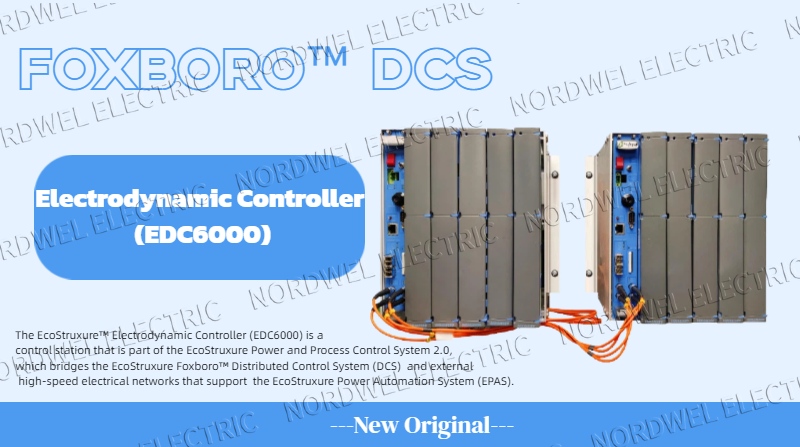
The Foxboro™ DCS Electric Power Controller (EDC6000) represents a major breakthrough in industrial automation, achieving seamless integration between process control and electrical systems. As a core component of the EcoStruxure Power and Process Control System 2.0, the EDC6000 completely breaks down the barriers between the previously independent operation of process control and electrical power ...
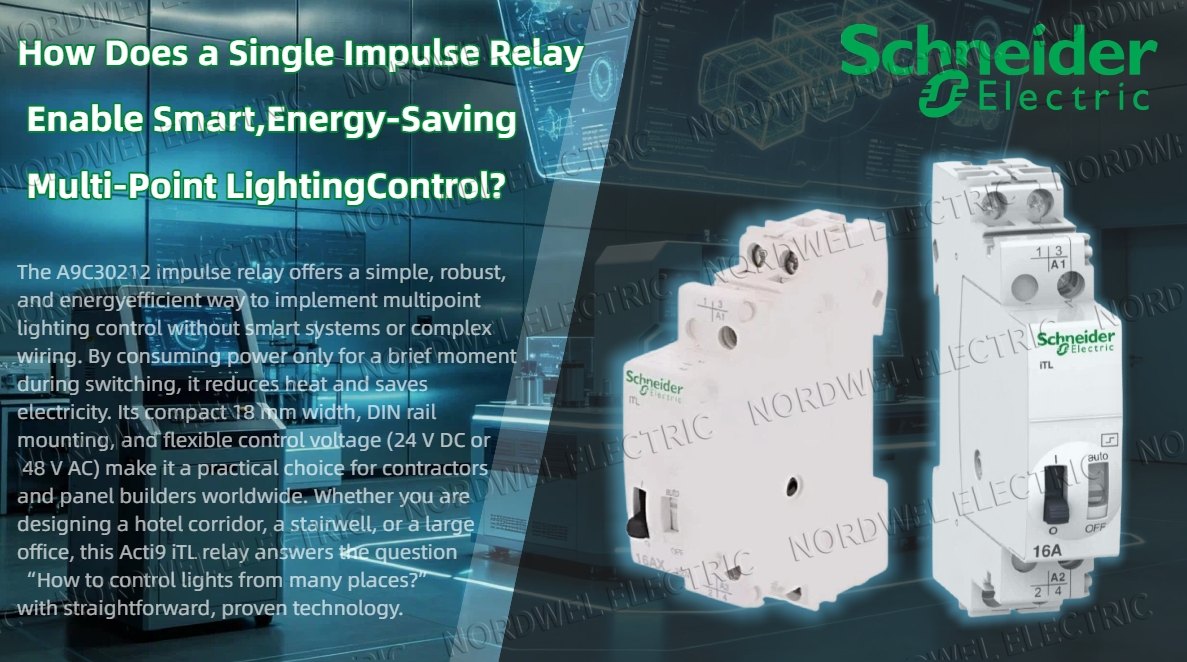
The A9C30212 impulse relay offers a simple, robust, and energy-efficient way to implement multi-point lighting control without smart systems or complex wiring. By consuming power only for a brief moment during switching, it reduces heat and saves electricity. Its compact 18 mm width, DIN rail mounting, and flexible control voltage (24 V DC or 48 V AC) make it a practical choice for contractors and...