GE IS200 Series Boards Move Into Focus as 2026 Outage Teams Tighten Full-Code Verification
Manufacturer records show that IS200 identifies a board family—not a universal compatibility class. The characters that follow define the board name, hardware grouping and revision boundary.
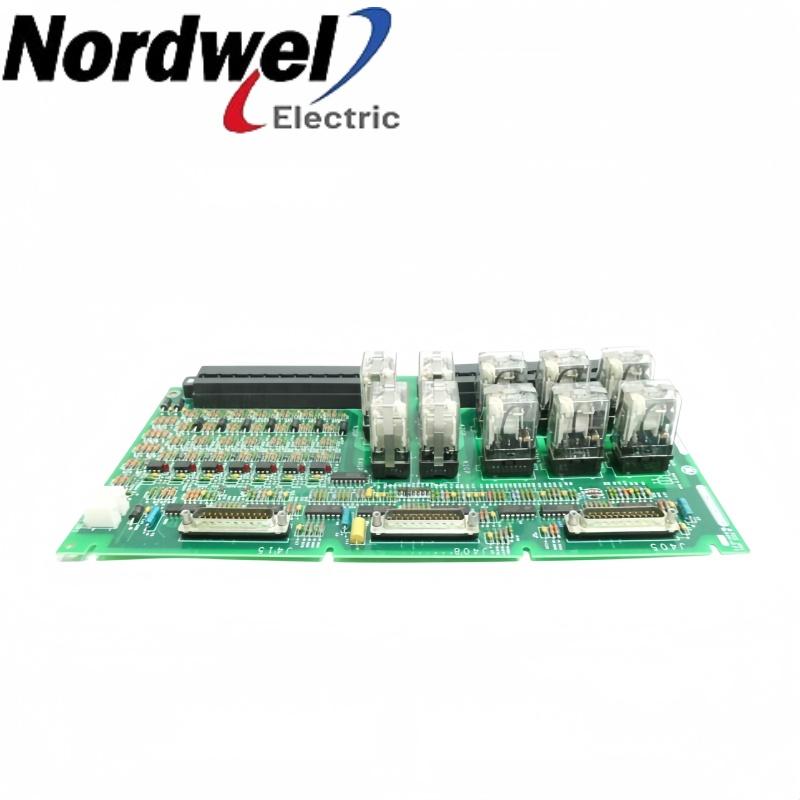
A 10 October 2026 review of GE Vernova public material has put a familiar control-board prefix under a more exacting procurement lens. The review found that “IS200” is used as board identification within published GE nomenclature, while the characters that follow carry the information needed to distinguish board name, construction, group, functional interchangeability and revision. For outage planners and spare-parts buyers, the finding is straightforward: IS200 is a useful search term, but it is not a complete ordering identity.
The timing matters because electricity-demand growth is sharpening the operational focus on existing generation assets. GE Vernova reported in 2026 that the expansion of AI and hyperscale data centers is creating exceptional demand for reliable, scalable electricity. The same analysis emphasizes dependable and deliverable capacity, infrastructure readiness and speed-to-power. Those system-level priorities do not describe a control board, but they raise the practical cost of avoidable maintenance delay across the plant.
Control-system spares sit inside that wider reliability story. A planned outage can have a defined scope, labor plan and return-to-service target, yet still face delay if the replacement board arrives with an incomplete code, an unexplained suffix difference or no documented link to the installed assembly. The issue is not whether two boards look alike. The issue is whether the purchasing record preserves enough evidence for the site’s authorized technical team to make a controlled decision.
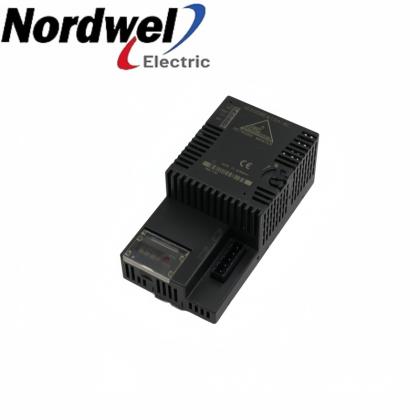
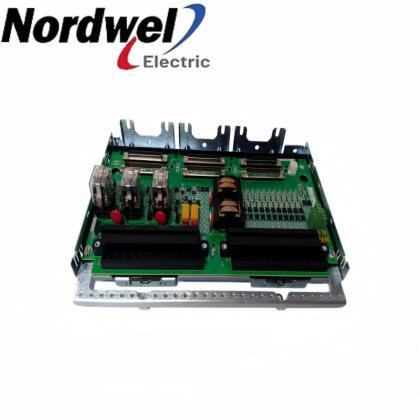
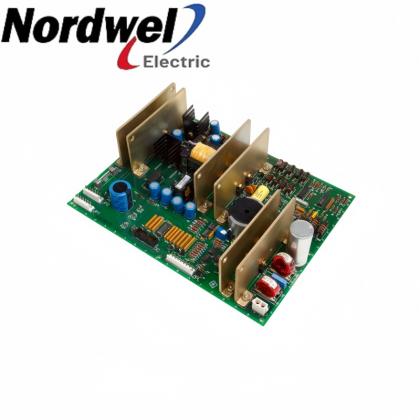
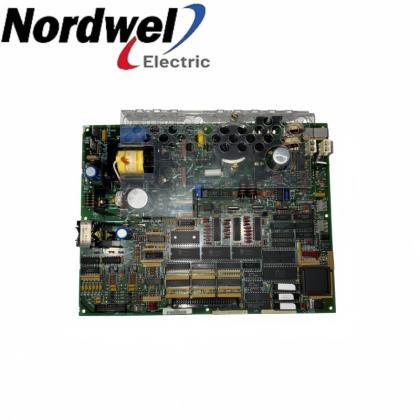
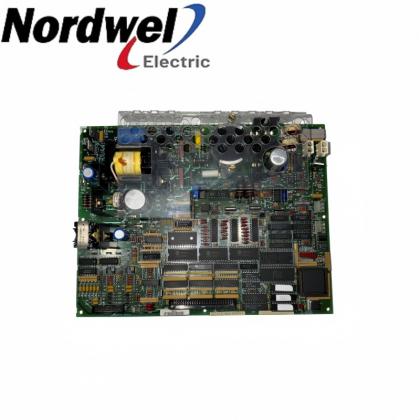
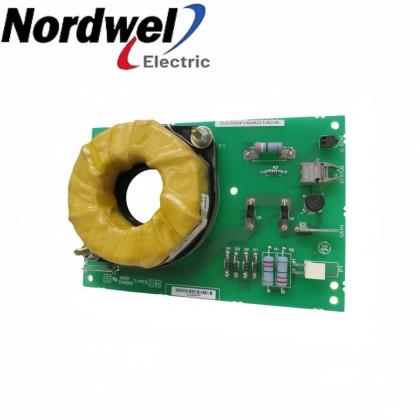
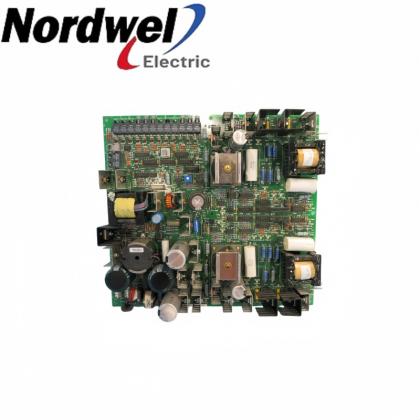
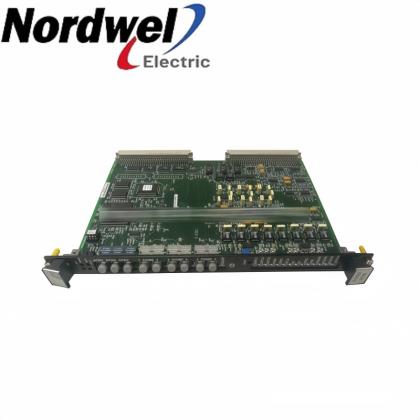
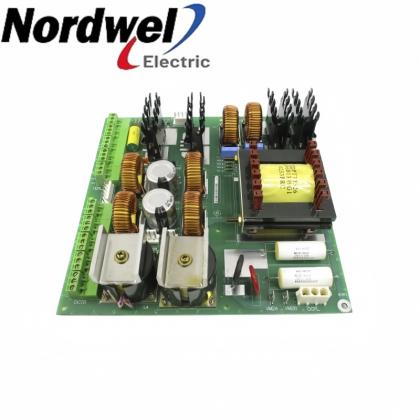
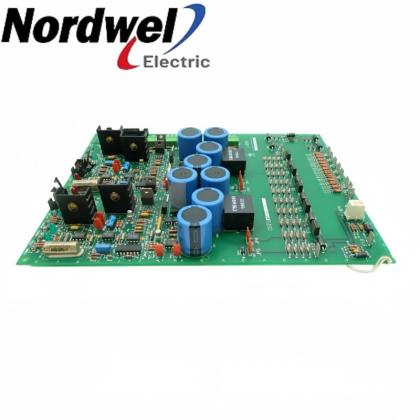
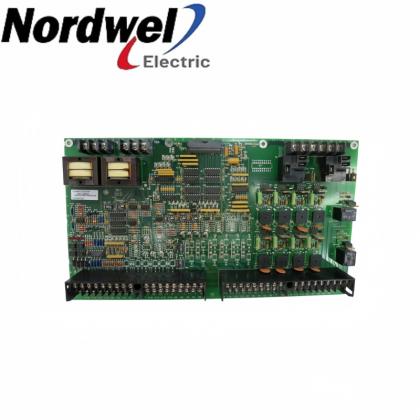
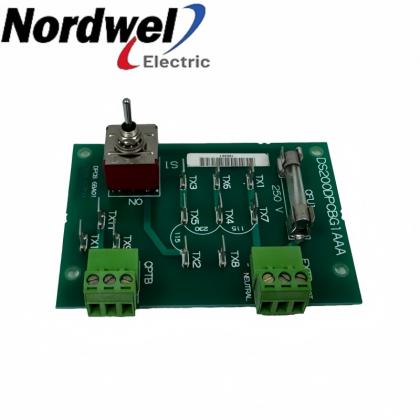
Against that background, the GE IS200 family deserves attention for a broader reason. GE Vernova records show IS200 identifiers on terminal boards, distribution boards, daughter boards, processor boards and communications boards within the cited material. The prefix therefore starts an identification process; it does not finish one. This article examines what the manufacturer record supports, what it does not support, and how buyers can translate that boundary into a more reliable RFQ and receiving process.
Rising load turns a shortened part number into a larger schedule risk
The story is not that the IS200 prefix has changed. The story is that higher expectations for asset availability are raising the cost of treating a broad board identifier as if it were a complete ordering code.
GE Vernova’s 2026 power-market analysis links new large loads with demand for reliable, scalable electricity and highlights the value of infrastructure that can deliver power without unnecessary delay. At plant level, that pressure reaches the maintenance supply chain. A spare that cannot be verified before an outage is not yet an outage-ready spare, regardless of whether it is physically available.
The procurement risk often begins with compression. A long board number is shortened in an email, copied from an old spreadsheet or replaced with a family description in a quotation request. Each step may remove characters that the manufacturer’s nomenclature uses to describe meaningful product boundaries. When the missing detail is discovered only at receiving inspection—or after the work window has opened—the commercial search has already consumed schedule margin.
More demanding duty
Large new electrical loads increase the value of dependable, deliverable generation.
Tighter outage execution
Parts, documentation and work scope must align before the planned stop.
Full-code discipline
Board name, group and revision characters remain part of the purchasing identity.
Documented proof
Label, cabinet position, drawings, connectors and functional tests close the loop.
The practical response is not to assume that every suffix difference creates incompatibility. It is to refuse to erase the difference before it has been reviewed. The complete code should remain visible through the request, quotation, technical comparison, purchase order and receipt. If a supplier proposes a different item, the difference should be stated openly and routed through the buyer’s established approval process.
How to read IS200 without turning a prefix into a promise
An official GE Vernova Mark VIe certificate publishes a nomenclature example that is useful for disciplined review. It should be applied within its documented scope and checked against the manual and parts list for the installed platform.
The certificate’s schedule describes the Mark VIe turbine control system and lists several types of control hardware. Within its nomenclature section, it distinguishes IS200 and IS210 as board identification and IS220 as assembly identification. It then assigns meaning to the following positions rather than treating the remaining characters as a single undifferentiated suffix.
This distinction is important for reporting accuracy. The certificate is evidence for the nomenclature and model relationships it contains; it is not evidence that every product beginning with IS200 belongs to Mark VIe, nor is it a universal cross-reference for all legacy GE controls. Any broader conclusion would go beyond the scope of the manufacturer document.
| IS200 prefix | The cited GE Vernova nomenclature identifies IS200 as board identification. |
|---|---|
| Board-name block | The following four letters identify the board name in the published example. |
| Construction character | The example distinguishes surface-mount and through-hole component construction with different characters. |
| Group position | A group number identifies the component list used for the bare board in the cited nomenclature. |
| Functional boundary | A later character defines functional interchangeability; revision characters record schematic or bill-of-material changes. |
| Platform boundary | GE records show IS200 identifiers in multiple control contexts. Confirm the application from the complete code and installed record. |
Supported conclusion
- IS200 is a board identifier in the cited GE nomenclature.
- The complete code carries function, group and revision information.
- Exact-code and installed-record review are appropriate procurement gates.
Do not infer
- That every IS200 board belongs to one platform.
- That a shared four-letter board name proves direct interchangeability.
- That group or revision endings can be omitted from an RFQ.
- That visual similarity proves electrical or functional compatibility.
For buyers, the safest reading method is therefore sequential. First identify the series prefix. Next read the four-letter board name. Then preserve the construction, group, functional and revision positions exactly as shown. Finally, compare the complete result with the installed platform record. This method does not make an interchangeability decision by itself; it ensures that the decision is based on the same identity that appears on the equipment.
The official record shows why an IS200 prefix cannot stand alone
The GE Vernova certificate does more than list model numbers. It documents particular board and I/O-pack relationships, illustrating why the complete assembly context must stay attached to the purchasing decision.
The schedule identifies several IS200 items as terminal, backplane, distribution or daughter boards. It also states specific pairings: IS200SCLSH1A and IS200SCLTH1A are used with the IS220PCLAH1A I/O Pack; IS200SPIDG1A is used with the IS220PPRFH1A and IS220PCNOH1A I/O Packs; IS200TSVCH2A and IS200WSVOH1A are used with IS220PSVOH1A; and IS200JPDSG1A is used with IS220PPDAH1A.
Those examples are not a universal compatibility table, and they should not be extended to unlisted products. They do, however, establish a useful procurement principle: the board code, its connected pack or assembly, and the documented system relationship must be reviewed together. A buyer who searches only by “IS200” risks comparing products that perform different roles, use different connection arrangements or belong to different documented assemblies.
| Series-level evidence | Useful for narrowing the search population, but insufficient for issuing a precise order. |
|---|---|
| Model-level evidence | The complete label identifies the board name and the documented suffix positions that distinguish variants. |
| Assembly-level evidence | The connected I/O pack, cabinet location and platform documentation help establish where the board is used. |
| Project-level evidence | The controlled parts list, drawings and approved change record remain the final site-specific reference. |
The manufacturer schedule also demonstrates that apparently similar identifiers can sit inside different hardware relationships. One terminal-board pair is listed with one I/O Pack, while another terminal board is listed with two different packs. The correct lesson is not that any unlisted combination is acceptable. It is that the relationship itself is part of the evidence and should be captured from the applicable document rather than reconstructed from the prefix.
For procurement teams, that changes the order of operations. Commercial questions—price, stock, condition and delivery—should follow a stable technical identity. If the technical identity changes during sourcing, the quotation should make that change visible. A proposed alternative needs its own complete code and supporting comparison; it should not be presented as though it were the originally requested item.
IS200ECTBG1A shows why the series story must return to an exact board
A series article becomes useful only when it helps the buyer handle a real model. IS200ECTBG1A provides that link without being treated as a template for every other IS200 product.
GE’s EX2100 Excitation Control User’s Guide (GEH-6632) documents IS200ECTBG1A in an EX2100 contact-terminal-board context. That attribution provides a defined starting point for an inquiry: the exact code is known, the system context can be stated, and the installed cabinet record can be checked. It is materially stronger than a request that says only “GE IS200 board required.”
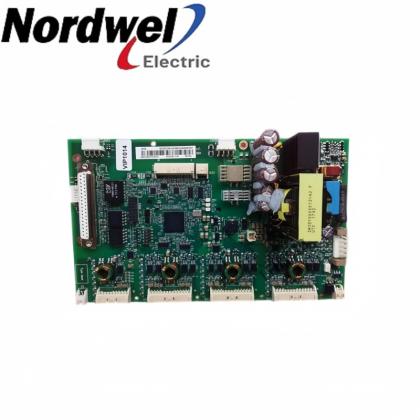
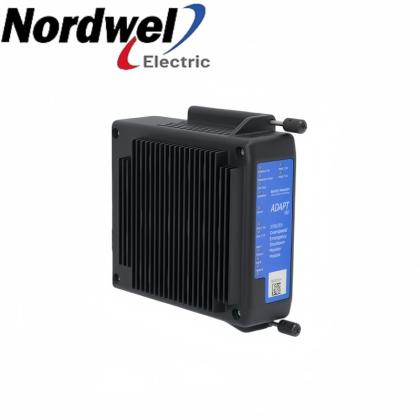
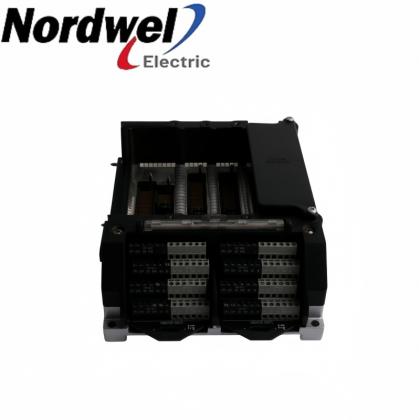
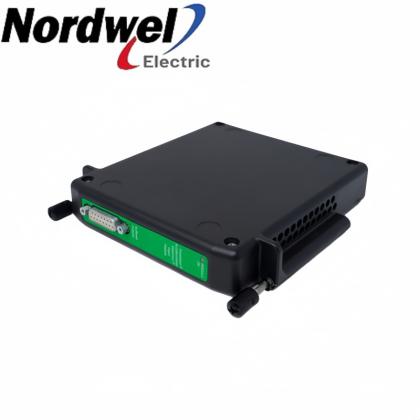
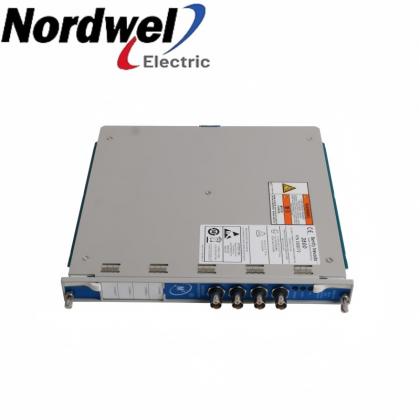
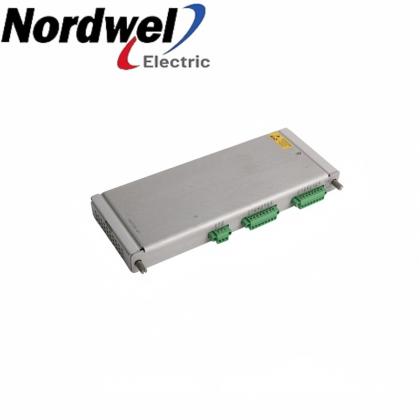
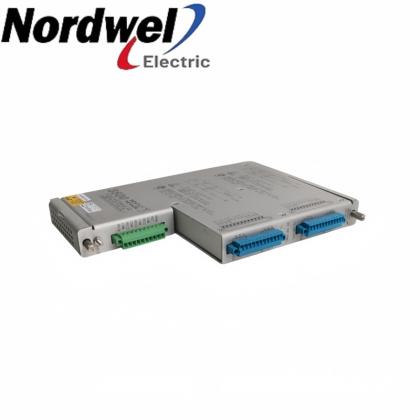
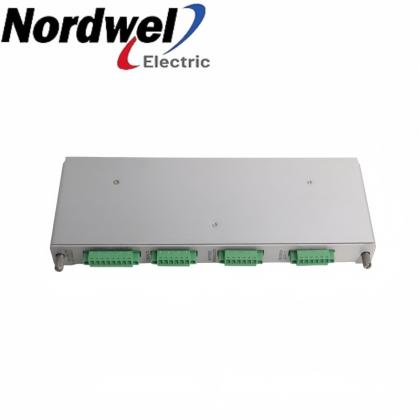
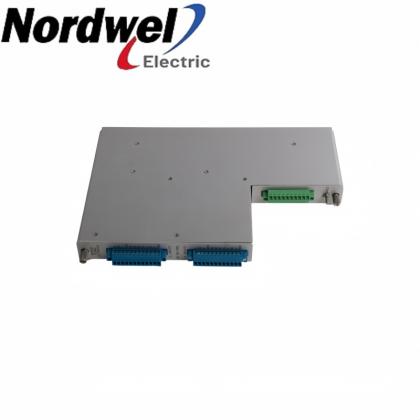
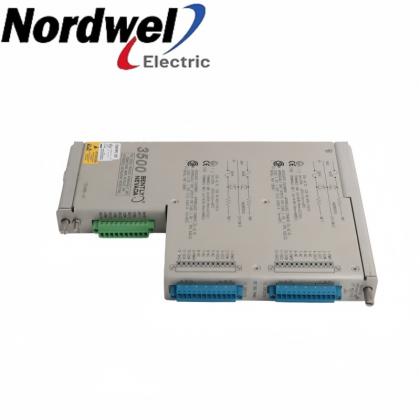
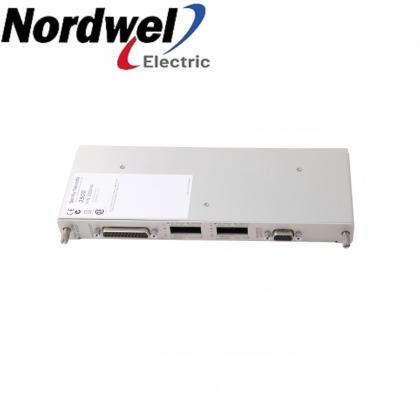
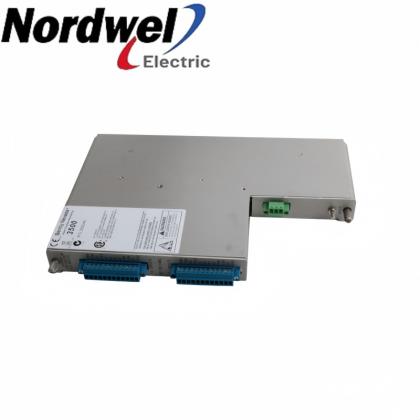
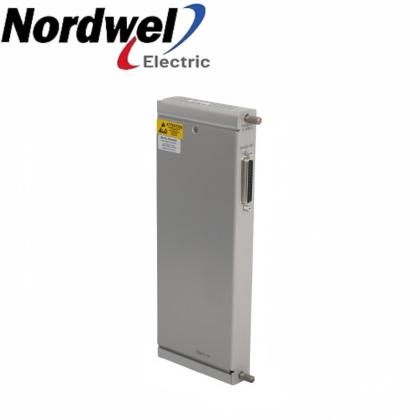
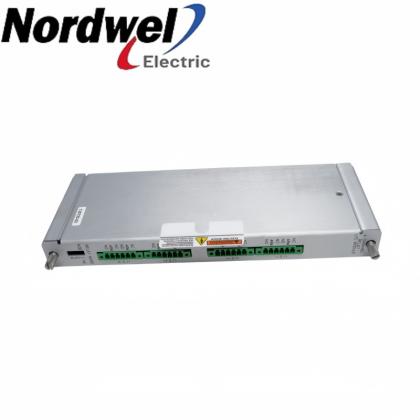
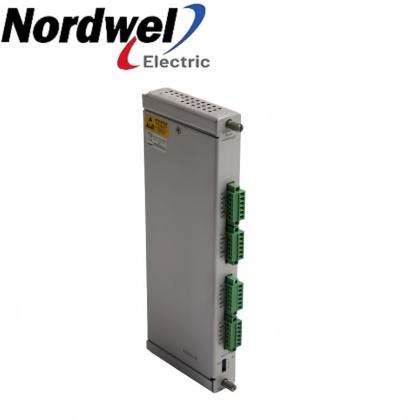
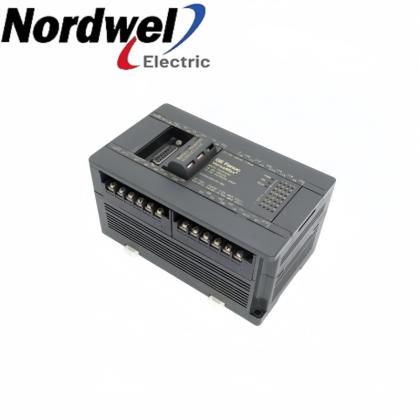
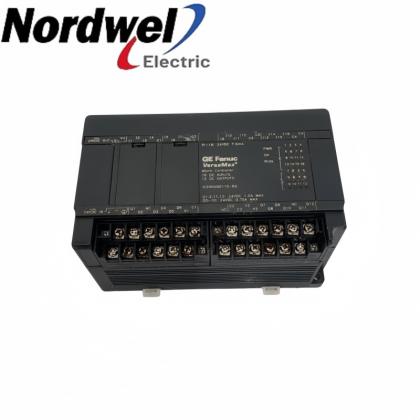
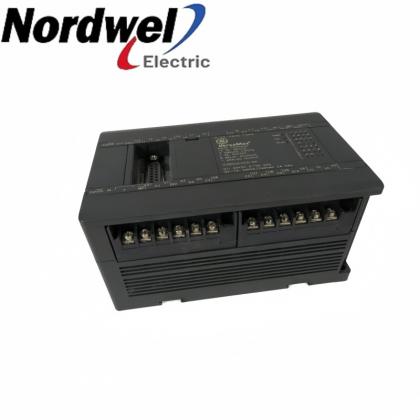
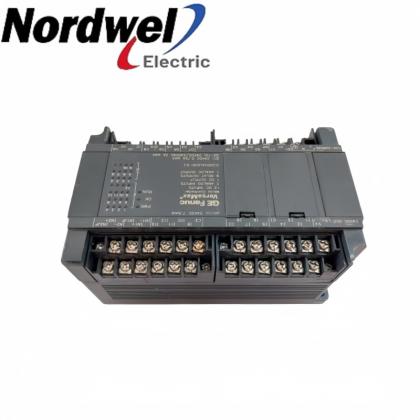
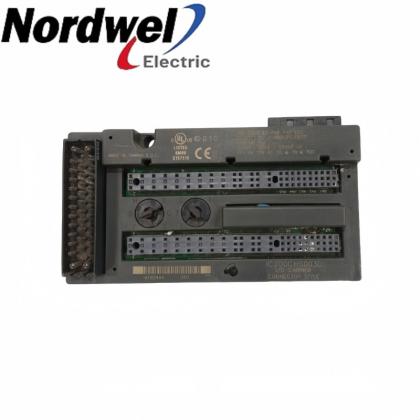
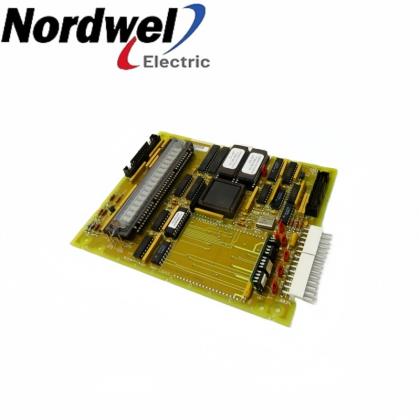
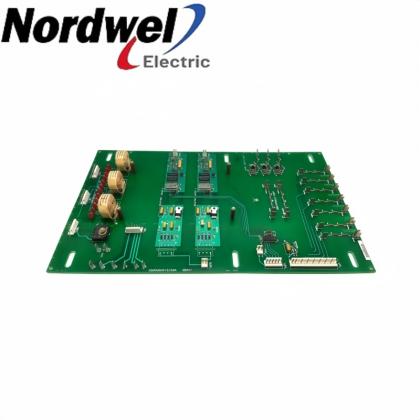
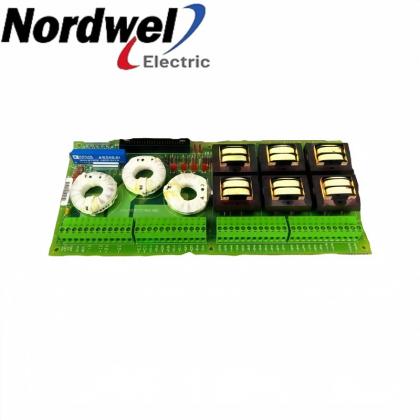
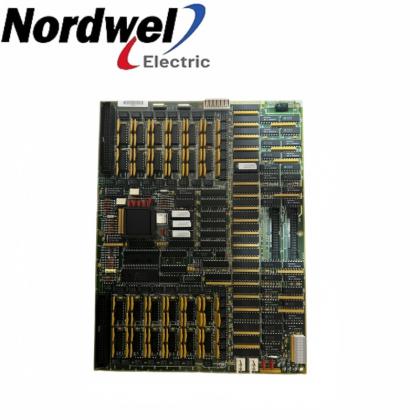
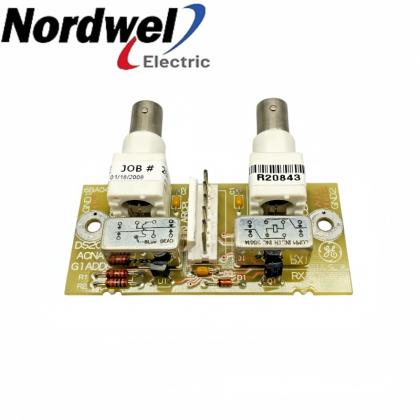
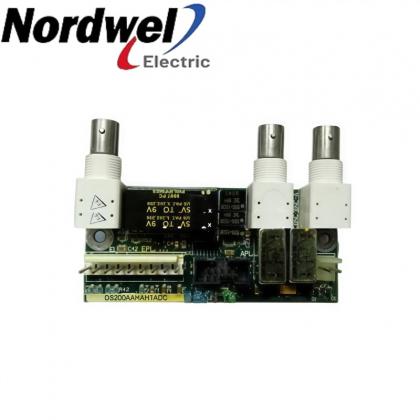
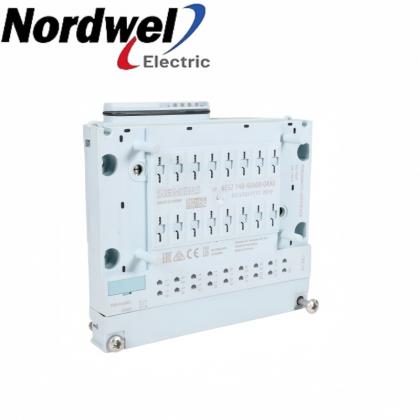
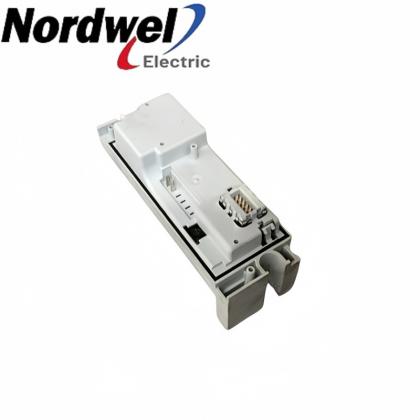
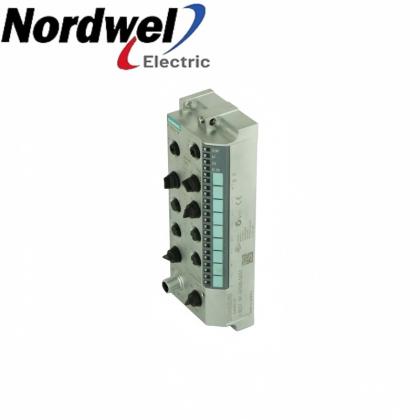
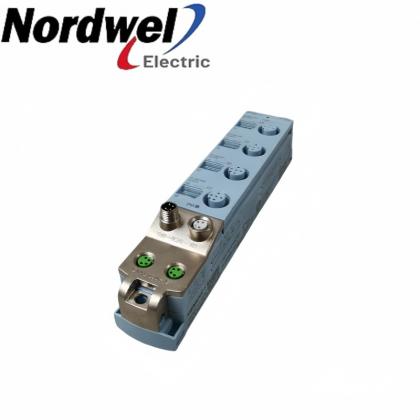
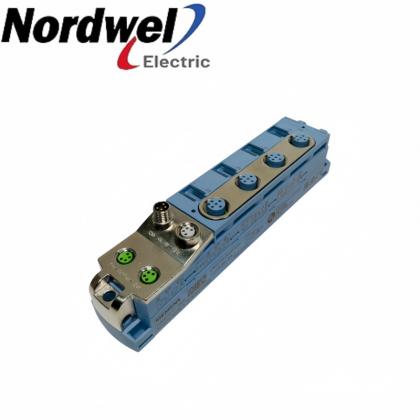
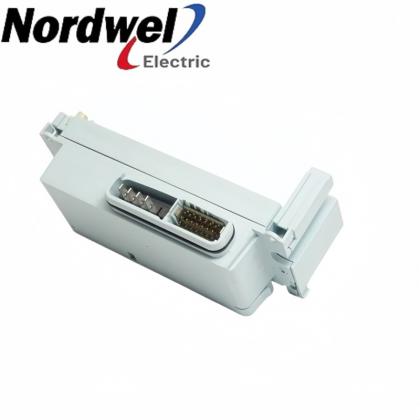
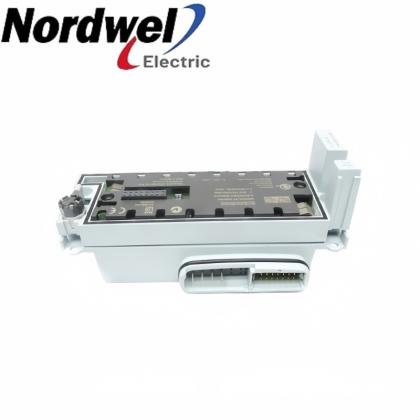
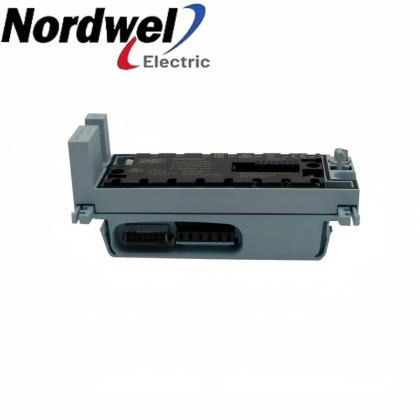
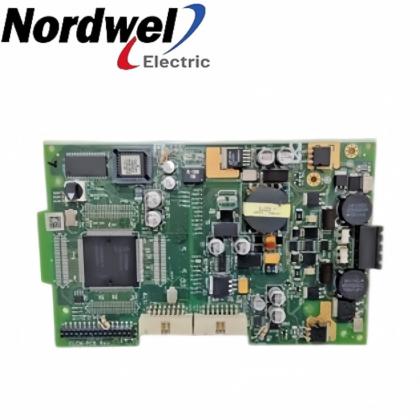
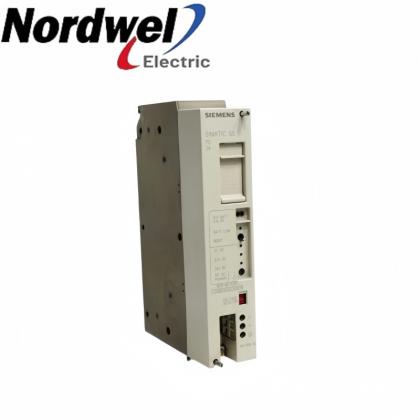
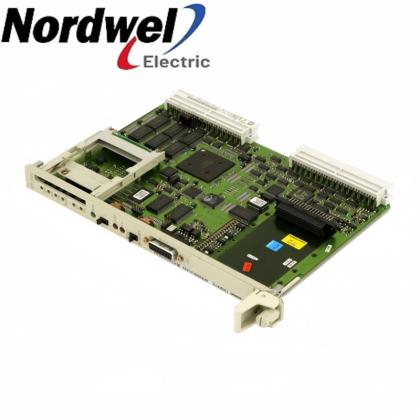
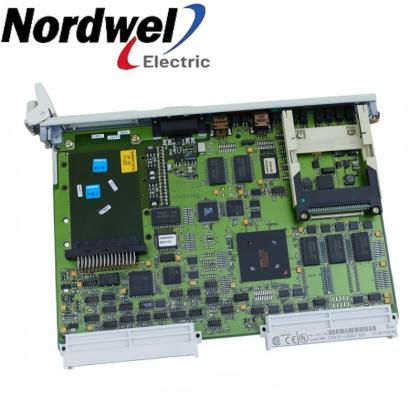
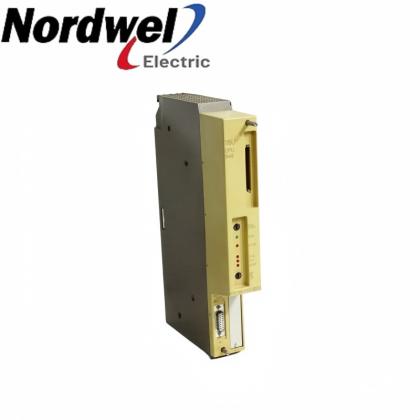
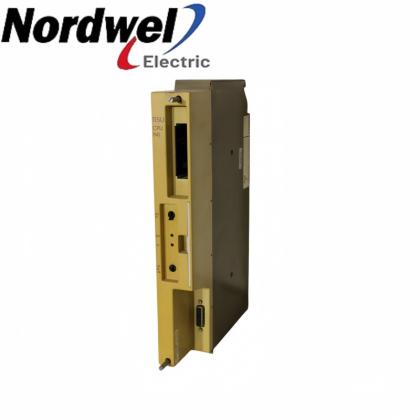
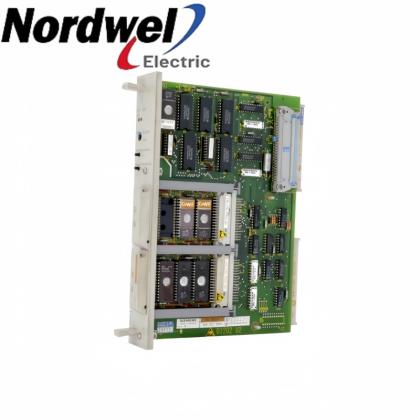
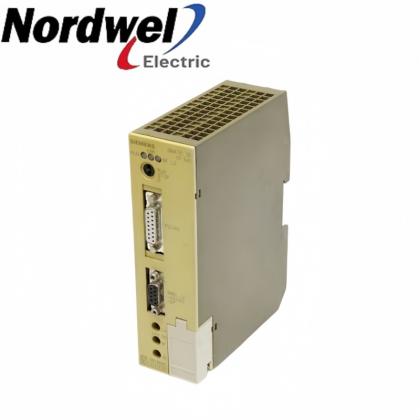
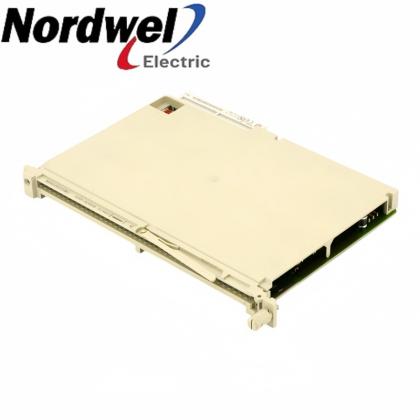
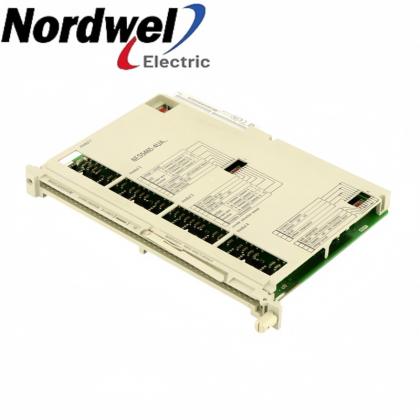
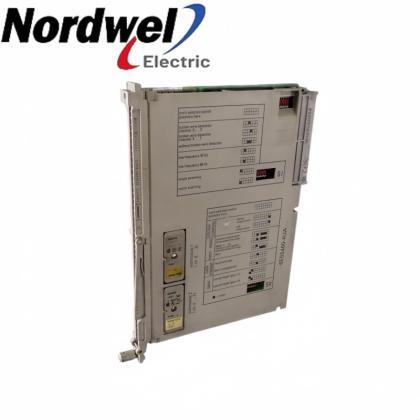
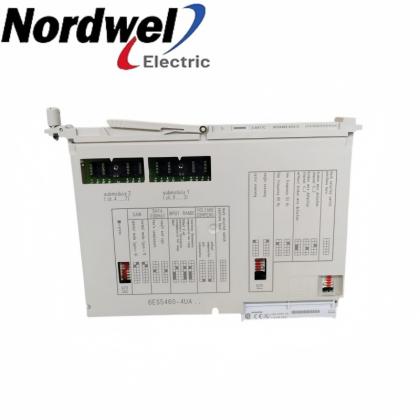
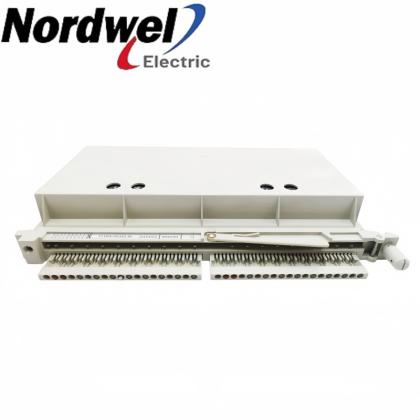
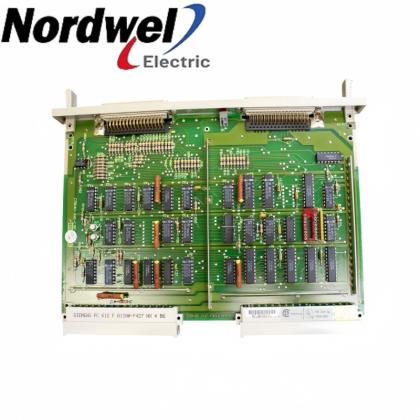
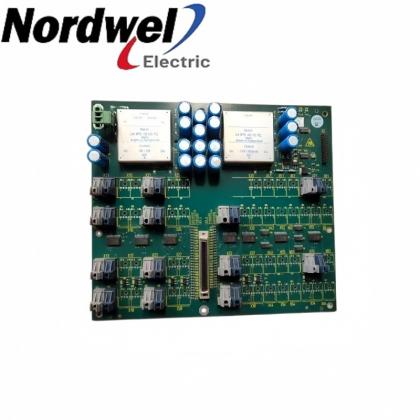
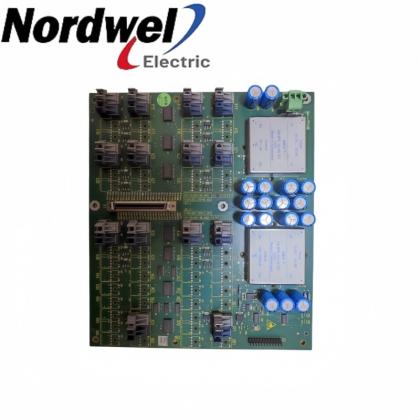
The example also shows why a model photograph cannot carry the decision alone. A product image may help a buyer locate the label and recognize connector orientation, but it cannot establish revision history, installed approval or functional interchangeability. Those conclusions depend on the code and the controlled technical record. Photographs are supporting evidence, not a substitute for documentation.
Accordingly, Nordwel’s purchasing recommendation for IS200ECTBG1A is deliberately narrow: preserve the complete model number, identify the EX2100 application from the site record, provide clear label and connector photographs, and disclose any difference between the requested and offered board before the order is released. The same evidence discipline can be applied to other IS200 items, while the technical conclusion must still be made model by model.
Six gates that turn an IS200 search into a controlled purchase
This workflow separates identification, commercial selection and acceptance. It is designed to prevent an attractive price or a familiar photograph from bypassing the technical evidence.
GE Vernova’s current control-parts page lists support for turbine, generator and starter controls and distinguishes new, remanufactured, exchange, repair-and-return, and test-and-certify pathways. It also lists spares review and obsolescence assessment among its service options. That manufacturer structure reinforces an important purchasing point: “available” is not a complete description of a spare. Condition, service route and documentary status should be agreed before a buyer compares offers.
The six gates below are therefore arranged to keep evidence ahead of urgency. They do not replace the owner’s procedures, nor do they authorize a substitution. Their purpose is to make sure that the RFQ contains the inputs needed for technical review and that commercial pressure does not erase an unresolved model difference.
Capture the source label
Photograph the installed board before removal where safe and permitted. Record the full printed code, cabinet reference and any separate revision markings without retyping from memory.
Confirm the installed context
Match the label to the controlled parts list, system manual and cabinet drawing. Note the mating assembly, connectors and documented board role.
Define the condition
State whether the request is for new, reconditioned, exchange or repaired material. GE Vernova’s official control-parts page treats these as distinct service options.
Review every difference
If a proposed item varies by group, functional character or revision, require documented engineering review. Do not convert a seller’s stock similarity into a compatibility claim.
Protect the outage date
Connect the required-on-site date to the maintenance schedule. Include time for document review, incoming inspection and resolution of any label discrepancy.
Preserve traceability
Keep the quotation, photographs, approved code, packing record and receiving result together so that the purchased board can be traced to the original request.
For a routine spare, these checks may be completed quickly because the label and plant records already agree. For an obsolete, repaired or alternative item, the same sequence may reveal that additional engineering evidence is required. That is a useful outcome: it moves uncertainty into the planning phase, where the team still has time to resolve it, instead of allowing it to surface at installation.
The purchase is not complete when the package arrives
A controlled receiving check protects both the maintenance window and the audit trail. The purpose is not to energize or function-test a board at the warehouse; it is to confirm that the delivered identity and condition agree with the approved order before the item reaches the cabinet.
Receiving personnel should be able to answer three questions from the paperwork and the delivered item: Is this the exact code that was approved? Is the stated condition the condition that arrived? Is there enough evidence to connect this board to the original RFQ and quotation? A “no” or “unclear” answer should trigger review rather than an assumption.
This distinction is especially important when outage material is staged in advance. Early arrival creates time for verification only if the item is inspected while the documentation is still accessible and the supplier can respond. Leaving the package sealed until the maintenance window may preserve packaging, but it also postpones discovery of identity or condition discrepancies.
Recommended receiving sequence
- Compare the full delivered label with the purchase order character by character.
- Photograph the packaging, label, board surfaces, connectors and visible condition.
- Confirm quantity and the ordered supply condition.
- Check that protective packaging and handling controls are intact.
- Quarantine any discrepancy until the supplier and site technical owner resolve it in writing.
Stop-and-review triggers
- A missing, shortened or obscured board code.
- A different group or revision ending.
- Connector or construction differences from the approved evidence.
- Condition that does not match the quotation.
- No traceable link between the delivered item and the supplier’s paperwork.
A complete receiving record should therefore be treated as part of outage readiness. Label photographs, packaging condition, the purchase-order code and the disposition of any discrepancy should remain linked. That record supports later maintenance review and reduces the chance that an unresolved spare is returned to inventory under an ambiguous description.
Build a quote-ready GE IS200 request
Tick the evidence you already have. A complete request helps separate a broad series match from exact-board verification.
IS200 RFQ readiness check
Use the board label and plant records—not visual similarity—to prepare the purchasing evidence.
Send the five items above with your RFQ. Nordwel can then review the identity boundary before quotation; final compatibility remains subject to the installed documentation and project approval.
Minimum rule: do not submit only “IS200.” The prefix is not a unique ordering identity.
Questions teams should settle before issuing the order
What is the GE IS200 series?
In the cited GE Vernova nomenclature, IS200 is board identification. Public records show the prefix on multiple terminal, distribution and processor-board references.
Are all IS200 boards interchangeable?
No. Board-name, hardware, group, functional and revision characters can describe materially different items.
Does IS200 prove the control platform?
No. Use the complete part number plus the installed system manual, cabinet drawing and controlled parts list to establish the application.
What should accompany an IS200 RFQ?
The full code, quantity, clear label and connector photographs, installed platform, cabinet reference, required condition and delivery need.
Why keep every suffix character?
GE’s published nomenclature assigns meaning to group, functional-interchangeability and revision positions; shortening the code removes decision data.
Where does IS200ECTBG1A fit?
GE’s EX2100 Excitation Control User’s Guide (GEH-6632) documents it as one EX2100 contact-terminal-board example; it does not define the whole IS200 population.
Need an evidence-based GE IS200-series quotation?
Send Tiffany the complete code, quantity, installed platform, cabinet reference and clear label photographs. Nordwel will review the identity boundary before quotation.
See one verified example: IS200ECTBG1A →