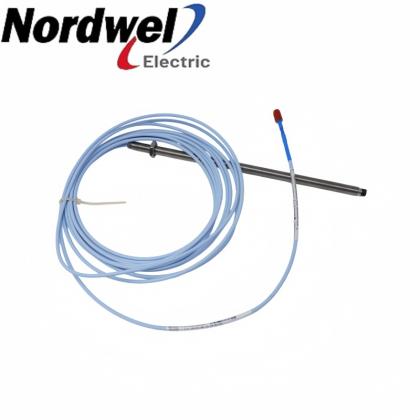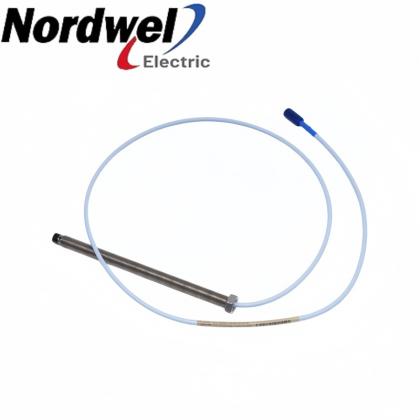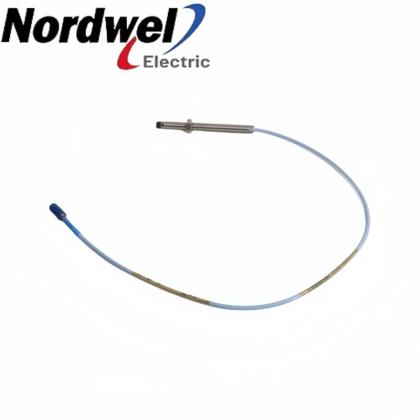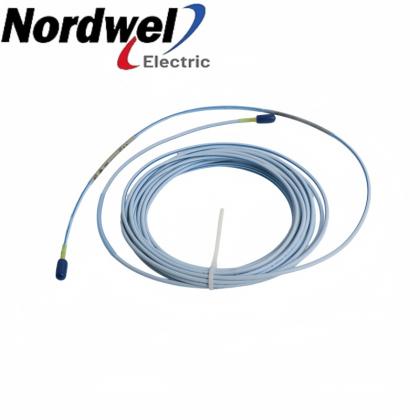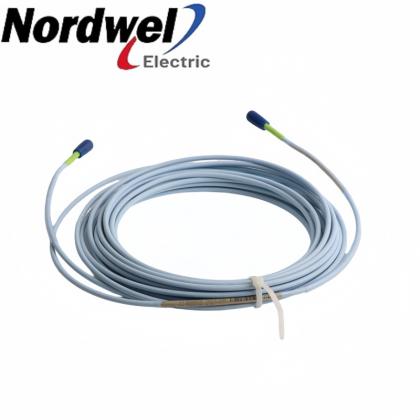
Family
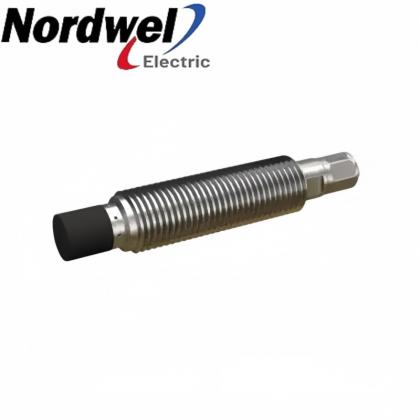
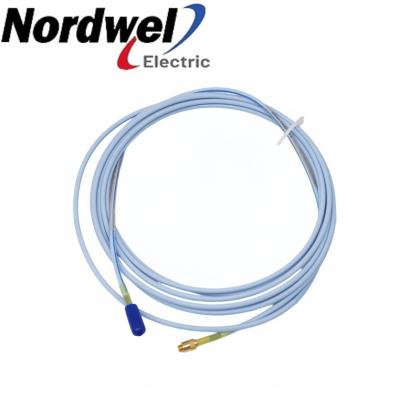
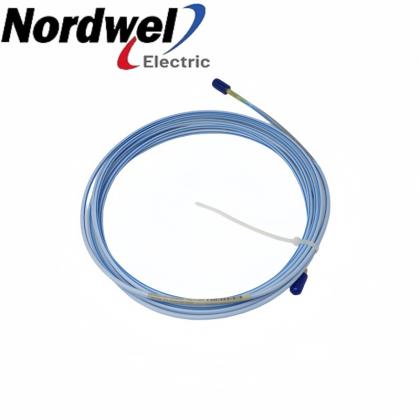
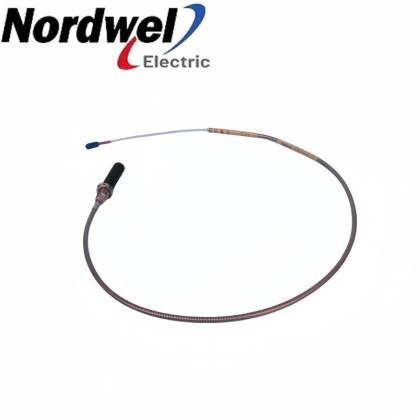
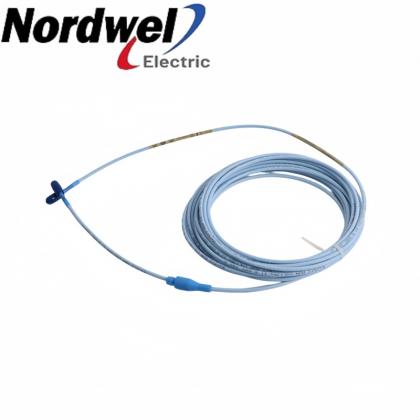
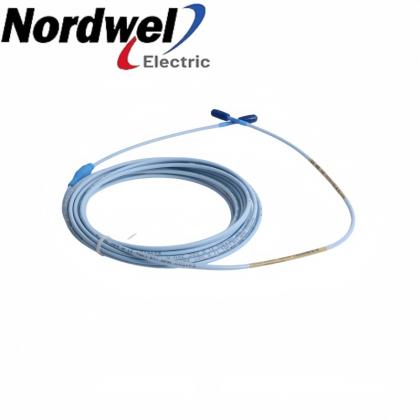
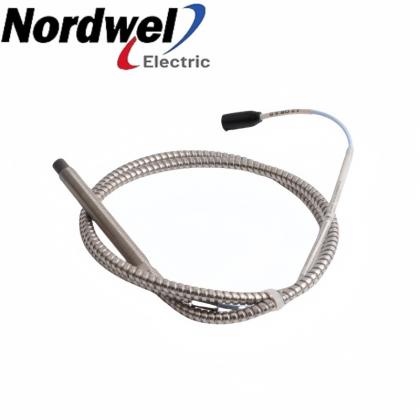
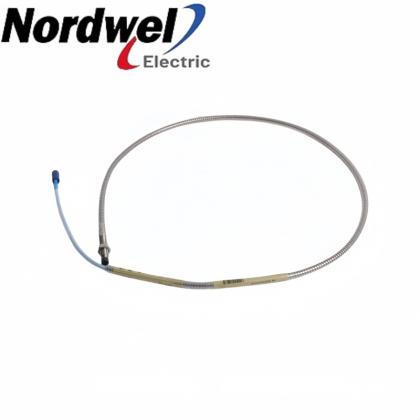
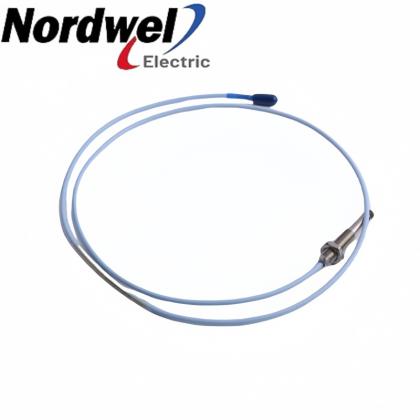
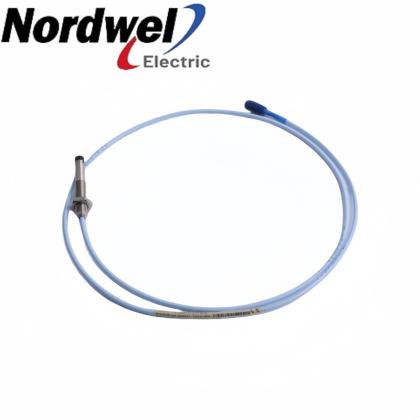
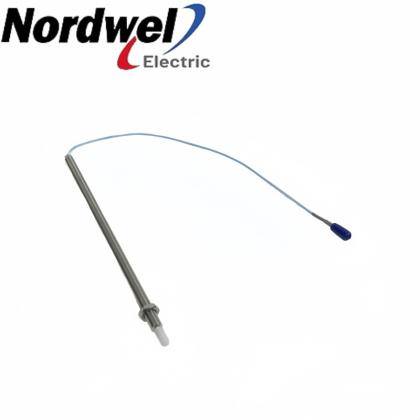
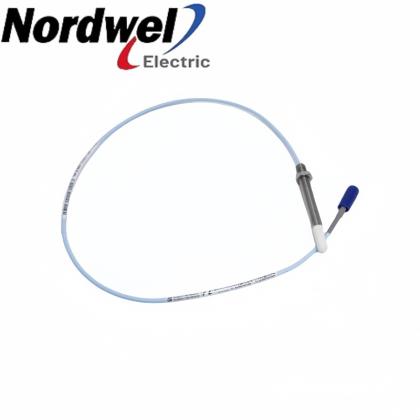
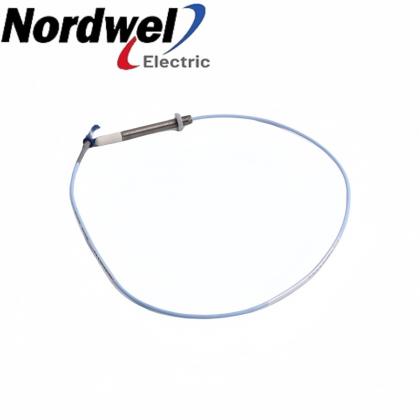
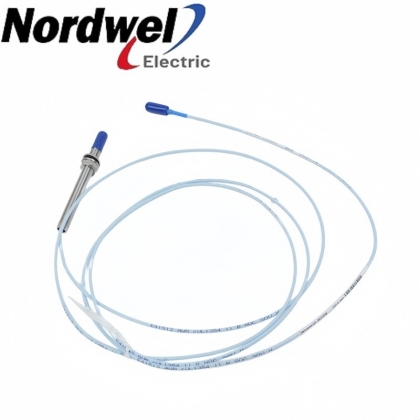
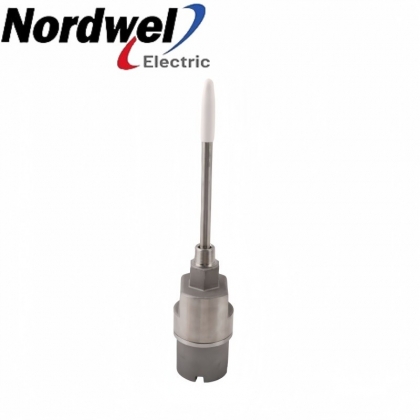
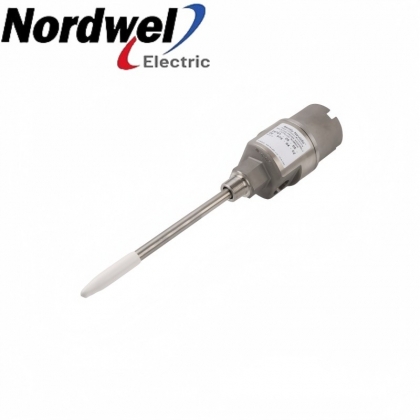
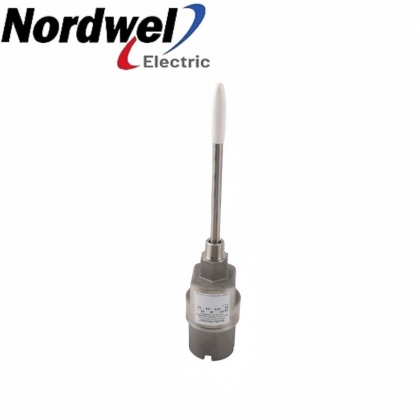
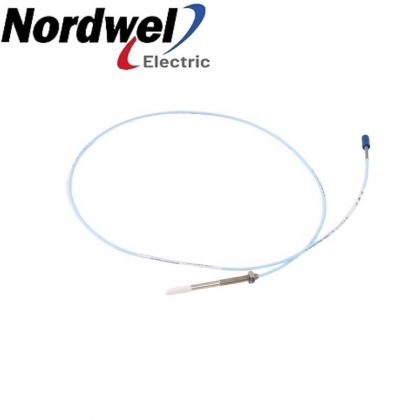
81724 is shown in the manufacturer’s 7200 Series 14 mm probe ordering figure.
Hover or focus: family identity precedes any replacement decision.
One legacy code. Three current decisions.
A document-led review of exact-model sourcing, installed-system preservation and the boundary to a complete 3300 XL 11 mm transition.
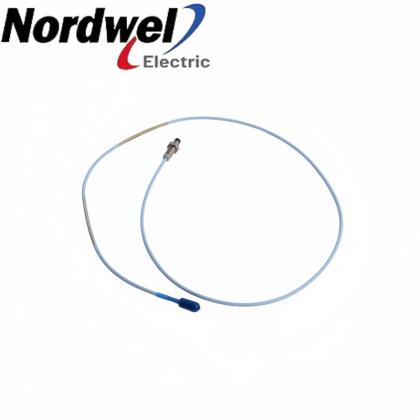
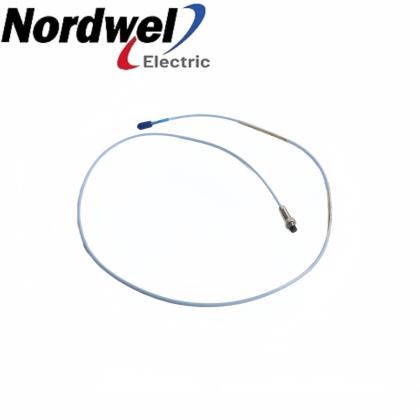
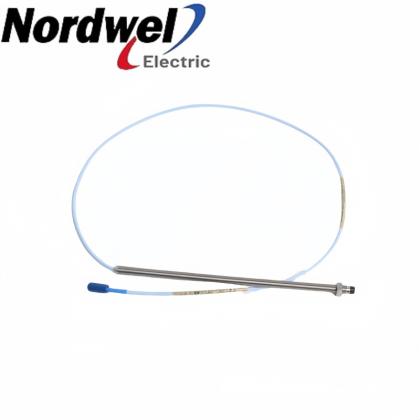
M16 × 1.5 metric case
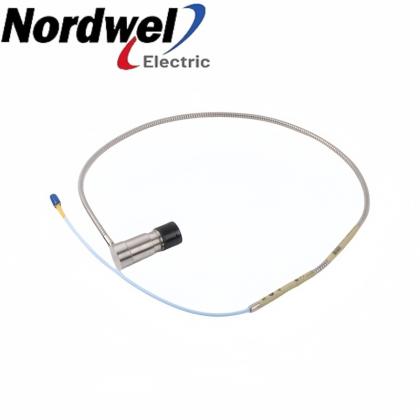
80 mm case · 1.0 m total length
Miniature male coax connector
A part number from an earlier industrial generation is again demanding current attention. Bently Nevada 81724-00-08-10-02 belongs to the manufacturer’s legacy 7200 Series 14 mm proximity-transducer architecture, yet it still appears in installed-equipment records, spare-part inquiries and modernization studies. The news is not that an old probe has suddenly become new. It is that a complete, correctly interpreted identity now matters more as plants make longer-term decisions around systems that have outlived several procurement cycles.
That distinction changes the purpose of a technical news article. A conventional product description would list a name, a few dimensions and a sales contact. A useful 2026 report must do more: identify the legacy family, decode only what the manufacturer ordering figure supports, separate evidence from assumptions, and show where the old system ends and a current replacement architecture begins.
The result is a story with two clocks. One clock starts with the original 7200 hardware and the documents that defined it. The second starts when today’s project team asks whether an existing channel should be preserved, supplied with a like-for-like item, or redesigned around another system. The same part number appears in both conversations, but the evidence required for each is different.
Select a point on the rail. The sequence explains why the model is more useful as a system-history marker than as a stand-alone line item.
The legacy manufacturer manual defines a 14 mm transducer system as a coordinated arrangement rather than an anonymous probe. The ordering figure places base catalog number 81724 in the metric M16 × 1.5 version without cable armor. That family context is the first fact to preserve when old records are re-entered into a modern procurement system.
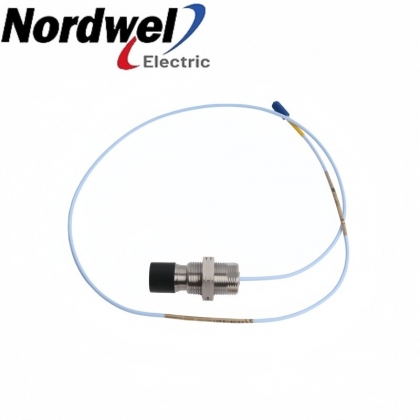
In the manufacturer ordering structure, 81724-00-08-10-02 resolves the mechanical and connection choices: zero additional non-threaded length, an 80 mm case length, 1.0 m total length and a miniature male coax connector. A partial entry such as “81724 probe” does not carry the same configuration evidence.
Bently Nevada’s current 3300 XL 11 mm datasheet says that platform is designed to replace 7200-series 11 mm and 14 mm systems. It also states that every component must be changed to 3300 XL 11 mm components and that the monitoring system must be updated. The manufacturer therefore describes a migration project—not a one-for-one probe substitution.
Select each segment to see the documented meaning. This presentation deliberately avoids adding dimensions, certifications or compatibility claims that are not carried by the applicable manufacturer figure.
Base number 81724 denotes the M16 × 1.5 configuration. The same figure lists a 24 mm jam nut, 14 mm wrench flats and no armor for this base catalog number.
Identity note: this is not a 3300 XL 8 mm ordering code.For the metric 81724 construction, the “00” segment indicates no additional non-threaded length. That segment should be read in the position defined by the legacy ordering figure, not transferred from another probe family.
Control point: preserve hyphens and segment order when comparing a label or purchase record.The metric case-length field uses 10 mm increments. Code “08” therefore specifies an 80 mm case. This mechanical selection is one reason a photograph of the full label and installed geometry is more useful than a shortened verbal description.
Control point: verify mounting clearance and the original controlled drawing.The manufacturer’s length table maps code “10” to 1.0 m. Cable length is part of the ordered configuration and must remain aligned with the complete transducer-system documentation.
Control point: do not infer a new system length from the visible probe body alone.Connector option “02” is identified as a miniature male coax. The connector description establishes physical identity, but it does not by itself prove cross-family electrical interchangeability.
Control point: a matching connector is evidence of fit only—not proof of a complete matched system.81724 is shown in the manufacturer’s 7200 Series 14 mm probe ordering figure.
The legacy 14 mm system documentation specifies a nominal 3.94 V/mm (100 mV/mil) scale factor.
A similar thread, body or connector does not establish a validated substitute.
The current replacement platform is not presented by the manufacturer as a probe-only exchange.
This is also where contradictory online descriptions become a business issue. Some listings collapse unrelated product families into the same generic “proximity probe” category. The manufacturer’s legacy ordering figure does not support that shortcut: 81724 belongs to the 7200 14 mm arrangement, while Bently Nevada’s current pages organize 3300 XL products under separate ordering structures. Treating those identities as interchangeable may turn a fast quotation into a slow engineering dispute.
Bently Nevada’s own interchangeability guidance makes the principle explicit at system level. Its technical article on proximity-probe systems warns against combining unmatched probes, extension cables and Proximitor sensors into a mixed assembly. The commercial lesson is direct: evidence must cover the complete channel architecture, not simply the item that is easiest to photograph.
Choose a route to compare its evidence burden. The switchboard is a planning aid, not a declaration that any route is automatically suitable for a particular site.
The documented 7200 family, installed system components, approved drawings and site configuration remain the baseline.
Readable labels, cable and Proximitor identity, installed length, connector form and the applicable manufacturer manual.
Preservation should not quietly introduce a component from another transducer family.
The complete ordering code and the documented mechanical and connection details remain the sourcing target.
Part-number match, condition statement, traceable photographs, quotation scope and explicit inclusion or exclusion of accessories.
A base number or generic 14 mm description is not equivalent to 81724-00-08-10-02.
The project moves from a legacy 7200 arrangement to the current 3300 XL 11 mm replacement architecture.
Probe, extension cable, Proximitor sensor, monitor compatibility and configuration requirements must be reviewed together.
The current Bently Nevada datasheet requires every transducer component to be replaced and the monitoring system updated.
The three routes can coexist within the same facility. One machine may remain under a controlled legacy strategy because its drawings, spares and channel history are complete. Another may need an exact item because the project scope does not authorize a wider redesign. A third may justify a platform transition because multiple components, configuration records and future support expectations are being reviewed at the same time.
What should not coexist is contradictory identity evidence. A quotation that calls this code an 8 mm 3300 XL probe while a manufacturer ordering figure places it in the 7200 14 mm family creates a preventable ambiguity. The correct response is not to average the two descriptions. It is to return to the applicable manufacturer document, record the discrepancy and keep the final selection subject to the installed-system record.
This evidence-first approach is also better suited to modern search behavior. Engineers increasingly arrive from a precise model query and expect an immediate answer to four questions: What is it? Which generation does it belong to? What does the suffix mean? Where does the replacement boundary sit? A page that answers those questions plainly is more useful than one that repeats broad claims about quality, availability or compatibility without showing the decision logic.
For procurement teams, the immediate implication is a change in the request package. A useful package should retain the full ordering code, identify the documented transducer family, show the installed connector and mounting arrangement, and state whether the request is for an exact legacy spare or for an engineered transition. That final sentence prevents two technically different projects from being handled as though they were the same quotation.
For engineering teams, the issue is configuration ownership. A legacy label may confirm the probe, but it may not describe the extension cable, Proximitor sensor, monitor input or software configuration that completes the channel. Those details sit in drawings, equipment files and prior project records. Bently Nevada’s current customer-care and technical-support information likewise separates part-number triage from technical product and documentation support, reinforcing the need to send the right evidence to the right review path.
For management, the model becomes a useful boundary marker. Keeping a documented 7200 channel is an installed-base decision. Buying an exact 81724-00-08-10-02 is a controlled supply decision. Moving to 3300 XL 11 mm is a system-change decision. Each can be reasonable within an approved project, but they carry different scopes, records and acceptance criteria. Clear naming makes those differences visible before cost and schedule commitments are made.
Each group contains two linked product records. These are reference paths for comparison—not declarations that one model can replace another. Select a group to change the two visible cards.
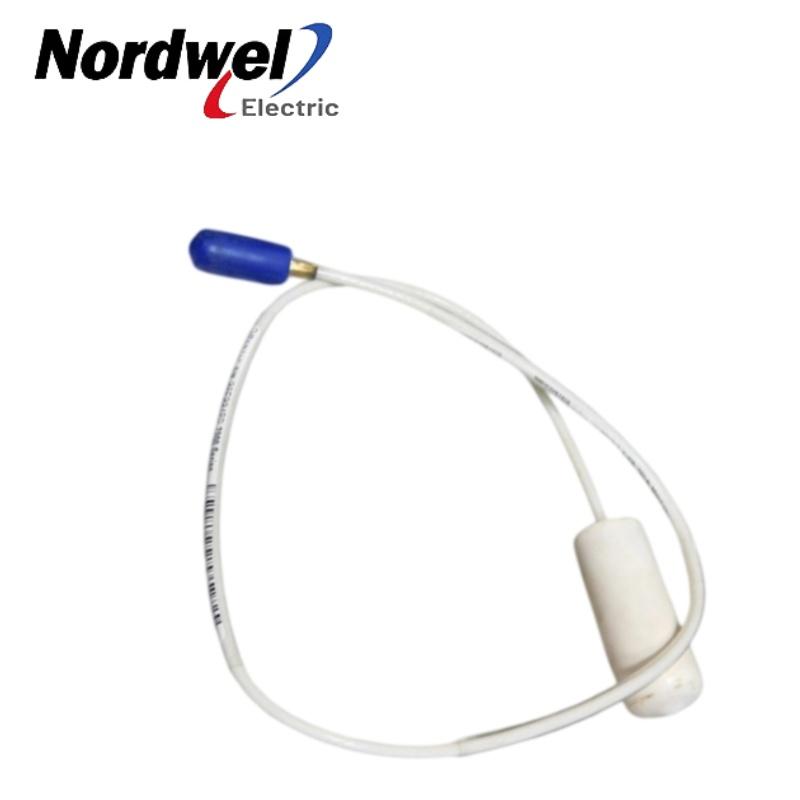
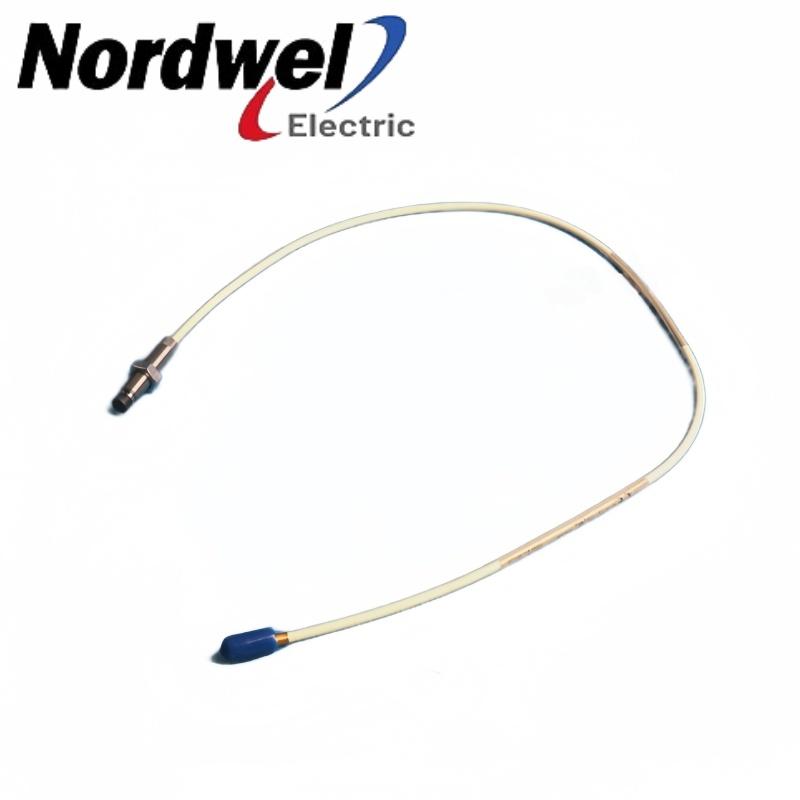
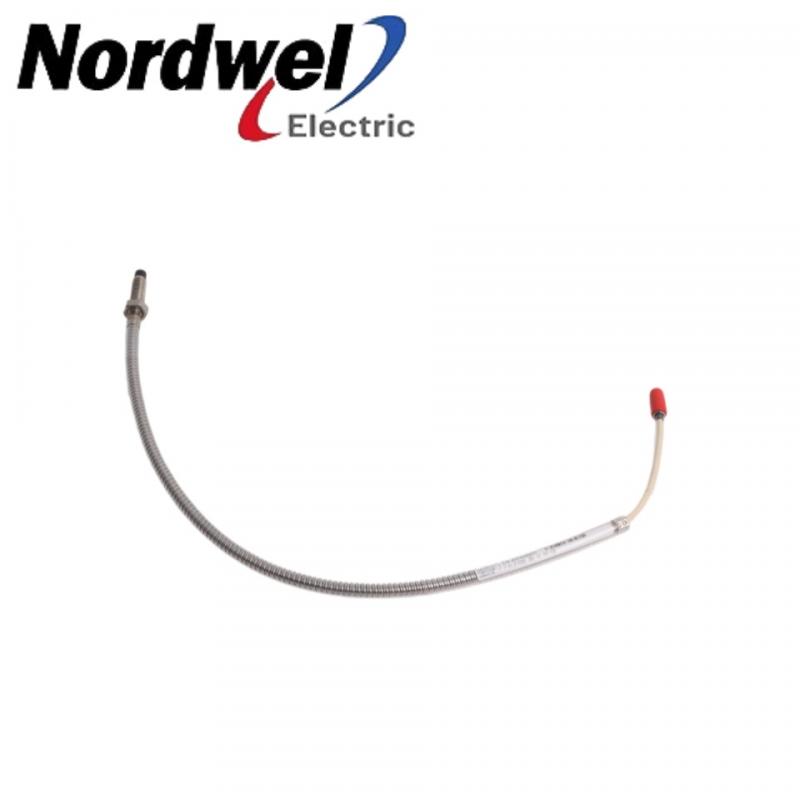

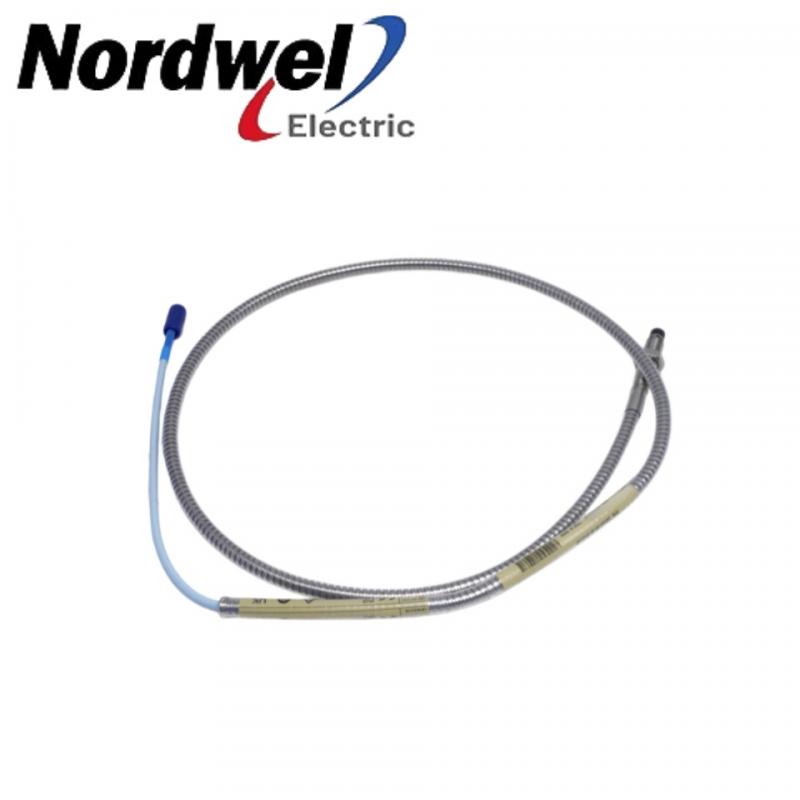
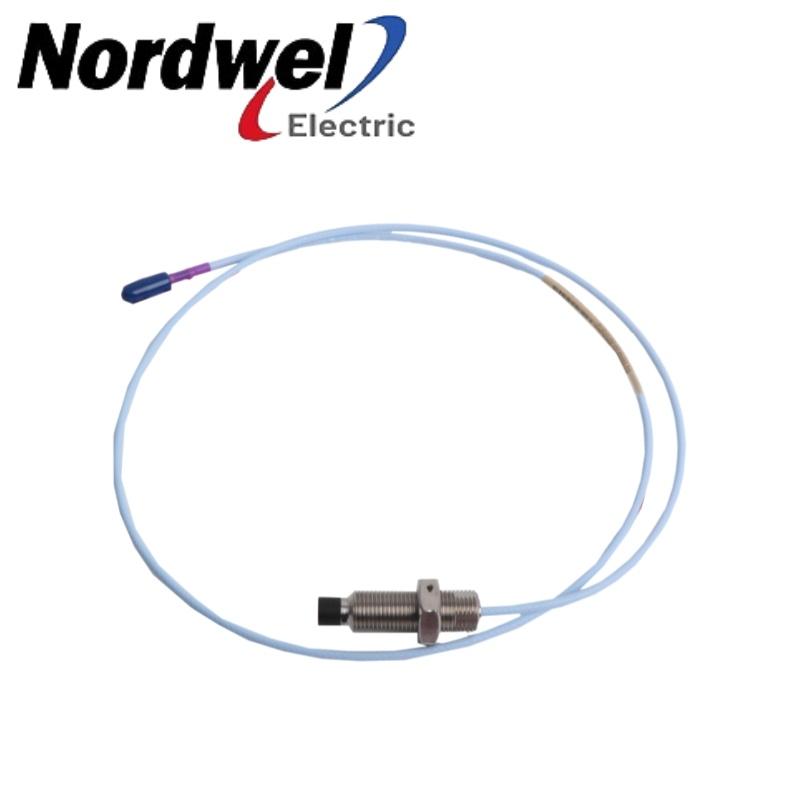


Bently Nevada 81724-00-08-10-02 is best understood as an exact legacy-system identity with a documented place in the 7200 Series 14 mm architecture. Its relevance today comes from the decisions surrounding it: retain an installed system under controlled documentation, source the exact configuration, or treat the current 3300 XL 11 mm path as a complete system transition.
The strongest inquiry is therefore not “Do you have an 81724?” It is “Can you review 81724-00-08-10-02 against this label, this installed loop and this project route?” That question is longer, but it is also far more likely to produce a technically coherent answer.
Editorial note: Technical statements in this report are limited to the applicable Bently Nevada legacy 7200 Series 14 mm manual, the current Bently Nevada 3300 XL 11 mm datasheet and Bently Nevada system-interchangeability guidance. Final suitability must be confirmed against the installed equipment, controlled site documents and current manufacturer instructions. Nordwel is an independent supplier; product and company names remain the property of their respective owners.
The renewed attention around 81724-00-08-10-02 reflects a broader change in how legacy industrial information is being used. A record once sufficient for a storeroom label may be too thin for a modern sourcing platform, a cross-site asset register or a system-transition project. When the record moves, every omitted suffix and every unverified family description moves with it.
The first pressure comes from data migration. Older purchase histories often contain abbreviated descriptions created for people who already knew the plant. “81724 probe” may have been understandable inside one storeroom, but it is not a complete configuration statement when imported into a regional database or presented to a supplier that has never seen the installation. The code needs to be reconstructed from the label and checked against the original ordering structure before it becomes reusable master data.
The second pressure comes from project handover. Legacy hardware frequently crosses organizational boundaries: from operations to a turnaround team, from one engineering contractor to another, or from a local buyer to a central sourcing group. Each transfer creates an opportunity for context to disappear. The exact series, tip family, thread, case length, total length and connector should therefore travel with the request rather than remain implicit.
The third pressure comes from modernization planning. The current Bently Nevada replacement statement is unusually consequential because it establishes a system boundary. The 3300 XL 11 mm platform is presented as the replacement for 7200-series 11 mm and 14 mm systems, but the same document requires all transducer components to change and calls for an update to the associated monitoring system. That instruction turns what might look like a catalog substitution into a scoped engineering project.
None of these pressures proves that every installed 7200 channel should be changed. They prove something narrower and more useful: the decision cannot be made from a generic product name. A site may preserve a documented legacy loop, procure an exact configuration within an approved scope, or move to a current architecture. The record must be strong enough to show which of those three actions is actually being requested.
Choose a desk to see what each team needs from the same 81724-00-08-10-02 record. This is where a model number becomes shared project evidence instead of a line copied between spreadsheets.
The asset-data team needs the complete order code attached to the correct product family. Its job is to stop a legacy 7200 14 mm record from being normalized into an unrelated 8 mm or 3300 XL category merely because those descriptions are more common in current databases.
The buyer needs quantity, condition expectation, delivery location and schedule, but also the technical boundary. An exact legacy spare inquiry is not the same request as a 3300 XL modernization proposal. Combining them produces prices that cannot be compared on a like-for-like basis.
The engineering desk reviews the probe together with the extension cable, Proximitor sensor, target assumptions, monitor input and controlled drawing. A matching connector or nominal scale factor may be relevant evidence, but neither alone closes the compatibility question.
The project-controls team needs to know when a single-item inquiry has become a system-change package. Once all transducer components and monitor configuration enter the scope, documentation, engineering, commissioning and schedule assumptions must be revised together.
The sequence below is intentionally linear. Skipping directly from a partial code to a purchase order leaves the most important questions to be answered after commercial commitments have already begun.
Capture is more than taking a product photo. The image should show the complete nameplate without glare, the connector form, visible cable markings and enough surrounding geometry to relate the item to the site drawing. When the label and purchase history disagree, the discrepancy should remain visible until it is resolved; it should not be silently edited out of the record.
Decode means using the ordering logic from the correct generation. Suffix positions are not universal across Bently Nevada families. The meaning assigned to “10” or “02” in one product structure should not be copied into another without the relevant ordering figure. For 81724-00-08-10-02, the legacy 14 mm figure provides a coherent identity path, including the metric base construction, dimensional selections, total length and connector choice.
Relate is the point where the probe stops being treated as an isolated object. The surrounding transducer components and monitor interface define which route remains technically coherent. The manufacturer’s current replacement guidance and interchangeability article both reinforce this system view, even though they address the subject from different directions.
Choose converts evidence into scope. Preserve means the existing documented architecture remains the baseline. Exact-source means the complete legacy order code is the target and every quotation exception is visible. Modernize means the current replacement platform is reviewed as a complete change. Control then records who approved that route, which documents governed it and what the supplier is expected to deliver.
Search visibility improves when the page answers the model query directly, but technical credibility depends on placing that code in the correct 7200 14 mm family. Broad keyword repetition cannot compensate for a wrong product generation.
A request carrying the full code, label image, system context and chosen route gives the supplier a defined problem. It also allows exclusions, uncertainties and document gaps to be stated before an order is evaluated.
Once the manufacturer’s all-component replacement statement is recognized, teams can distinguish a spare request from a modernization package before they compare price or schedule.
| Question entering the project | Evidence that closes it | Claim that remains out of bounds |
|---|---|---|
| Which family owns 81724? | The manufacturer’s legacy 7200 Series 14 mm ordering figure. | Calling it a 3300 XL 8 mm item because a current listing uses that phrase. |
| What configuration was ordered? | The full suffix decoded against the applicable figure and confirmed against the label. | Inferring dimensions or connector details from a similar-looking probe. |
| Can a current probe be installed alone? | The current 3300 XL 11 mm replacement statement and a complete system review. | Treating “replacement platform” as proof of probe-only interchangeability. |
| What should appear on the quotation? | Exact identity, condition, quantity, scope, exclusions, destination and supporting evidence. | Promising compatibility or inclusion of accessories that were not documented. |
81724-00-08-10-02 shows why industrial product identity should be treated as evidence rather than advertising copy. The legacy ordering figure tells the reader what was configured. Current Bently Nevada documentation tells the reader where the modern replacement boundary sits. Site records tell the project what is actually installed. None of those sources can be safely replaced by an attractive photograph or a generic family label.
That is why the part has moved back into focus in this 2026 review. It is not a new release and it is not being presented as a universal answer. It is a precise reference point for teams deciding how to carry an older system into a new purchasing, documentation or modernization cycle. The durable advantage is clarity: the right family, the full code, the complete system context and an explicitly approved route.


Disclaimer:
Nordwel sells new and surplus products and develops channels for purchasing such products. This website has not been approved or recognized by any of the listed manufacturers or trademarks.