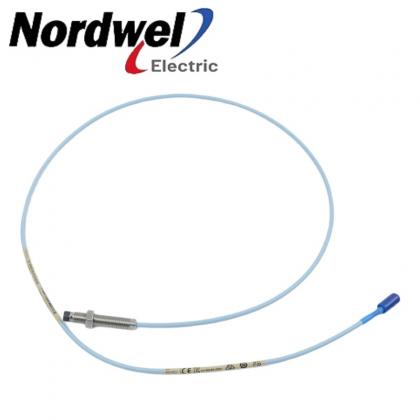
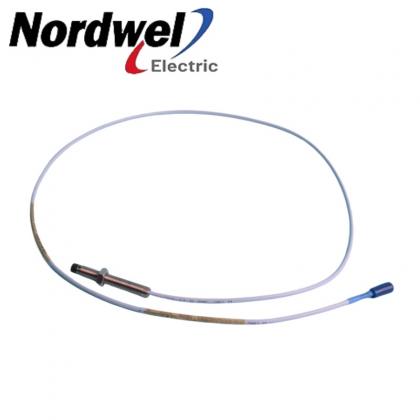
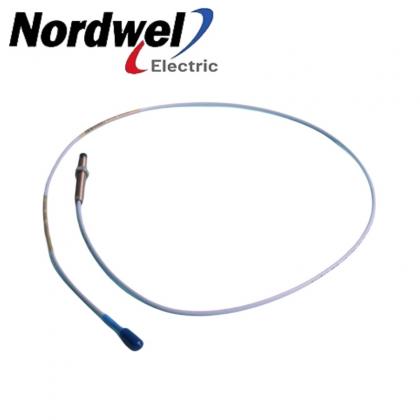
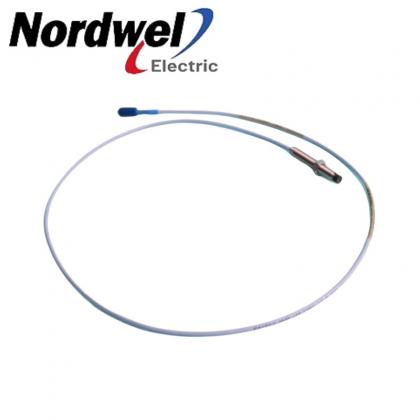
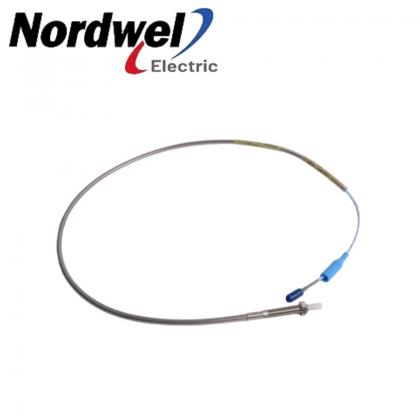
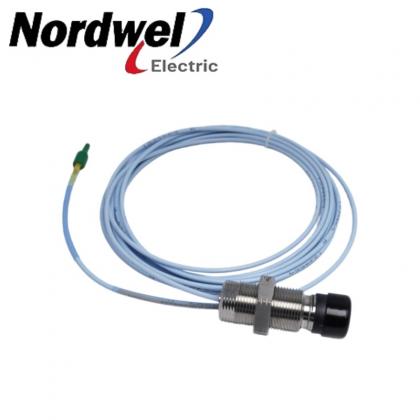
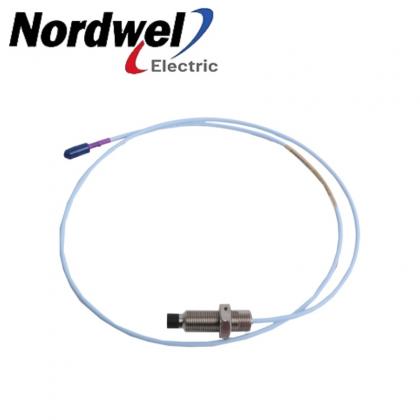
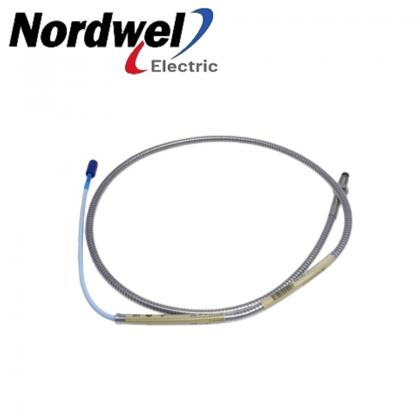
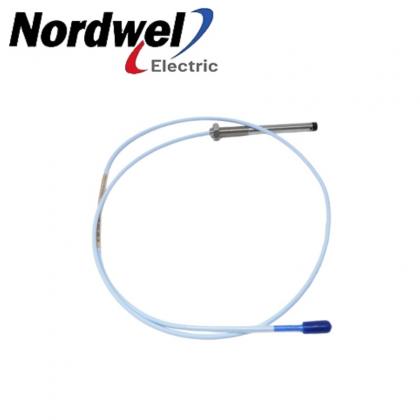
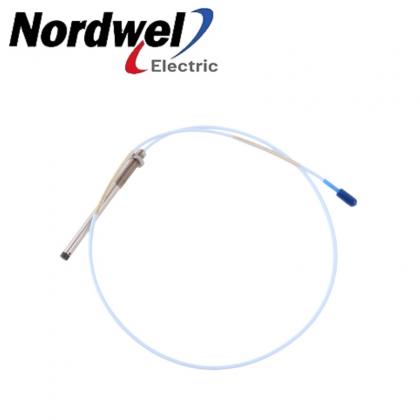
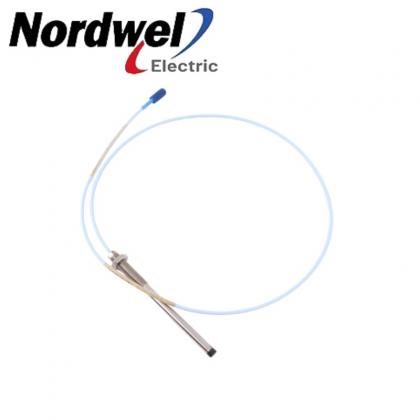
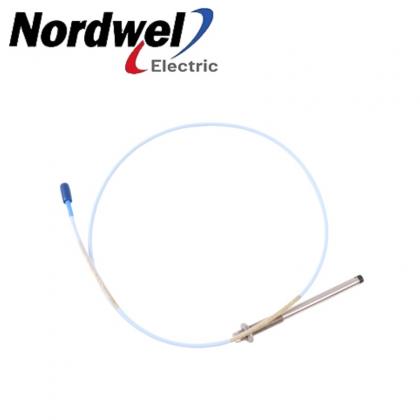
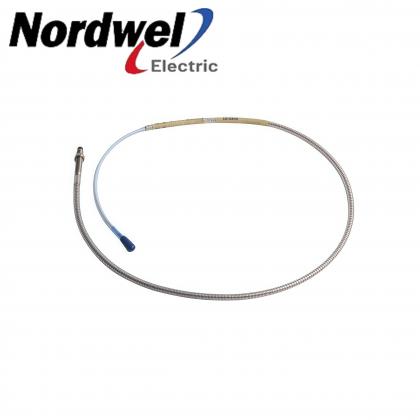
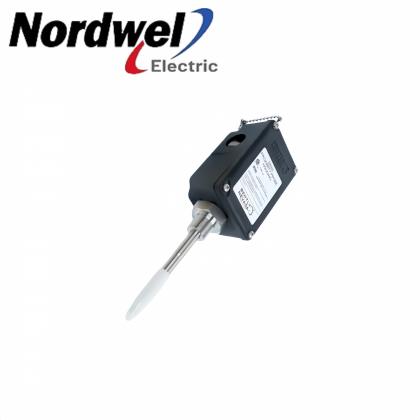
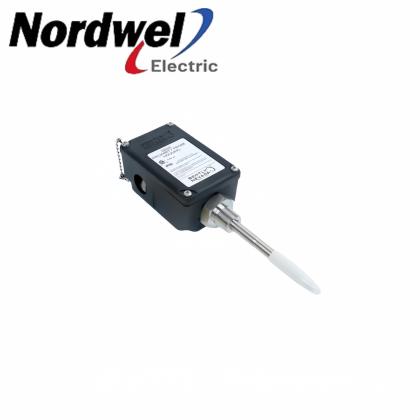
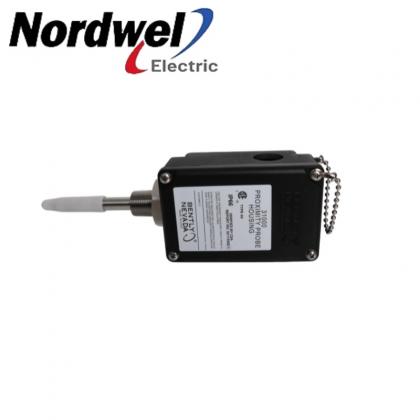
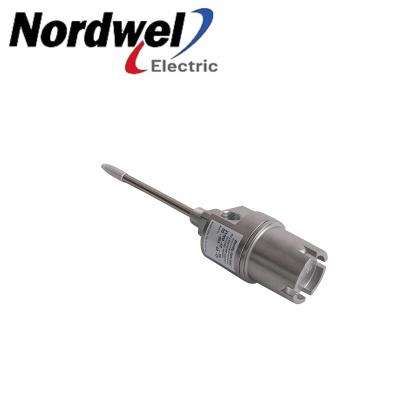
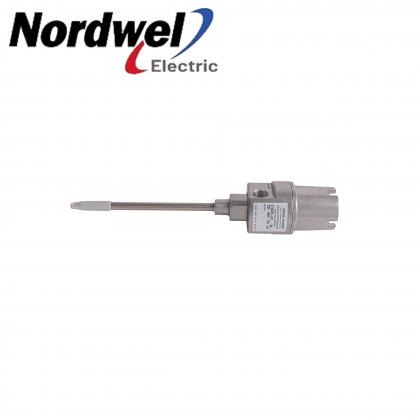
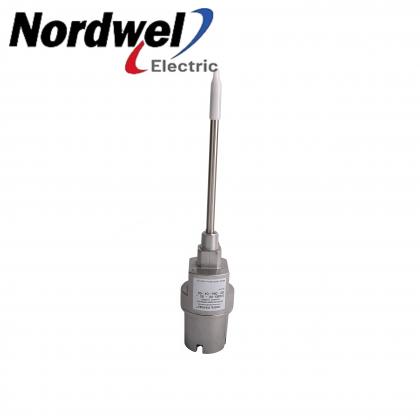
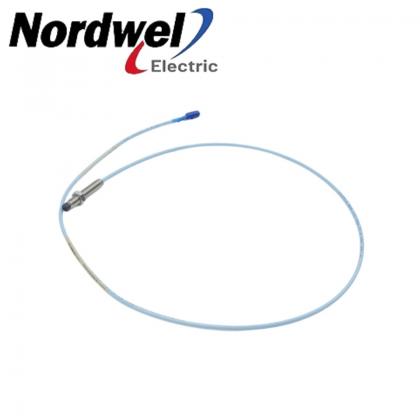
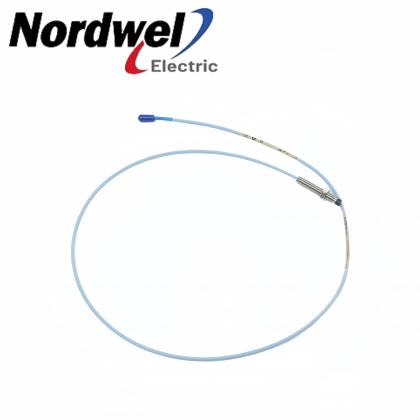
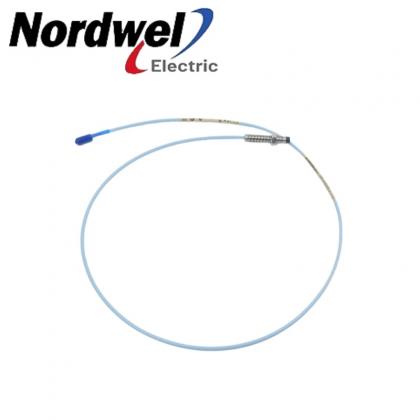
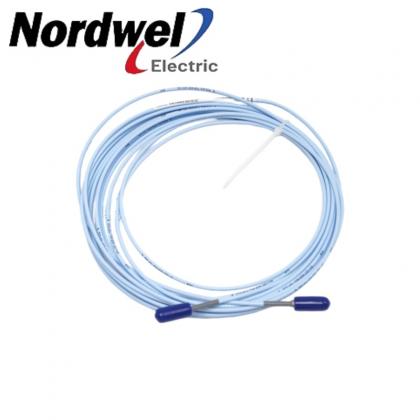
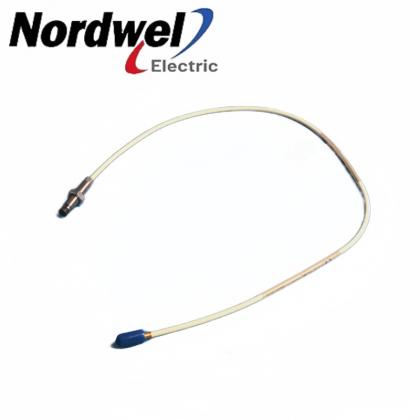
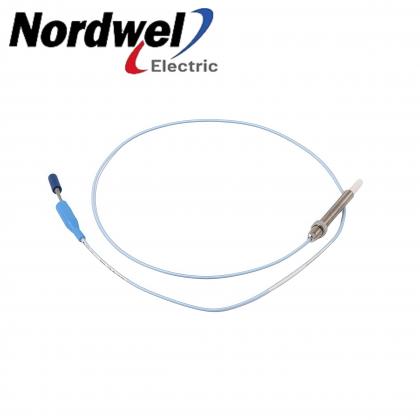
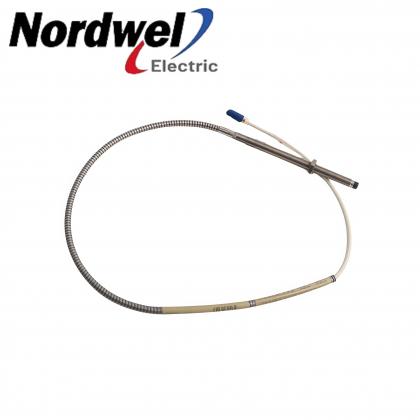
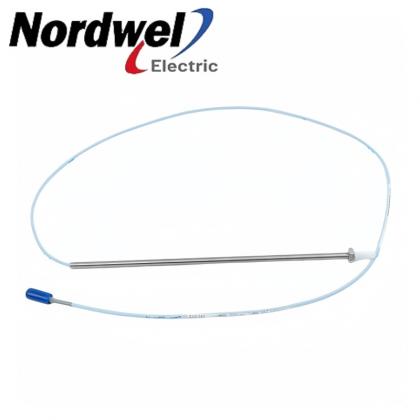
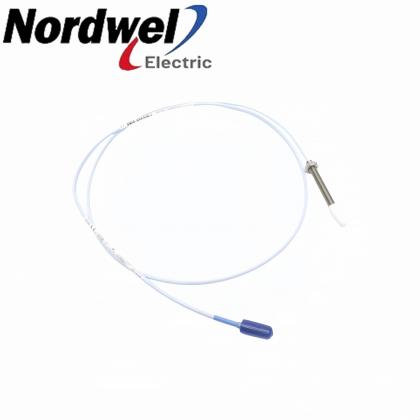
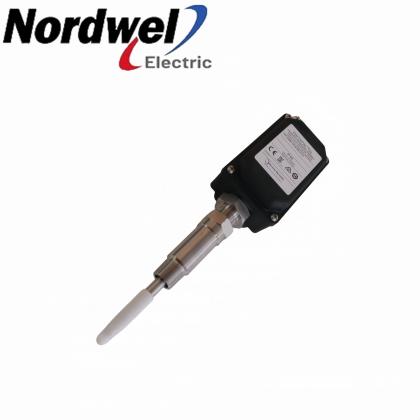
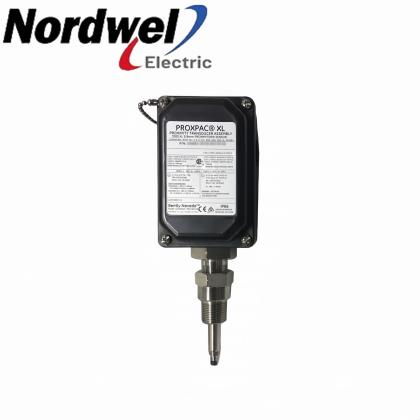
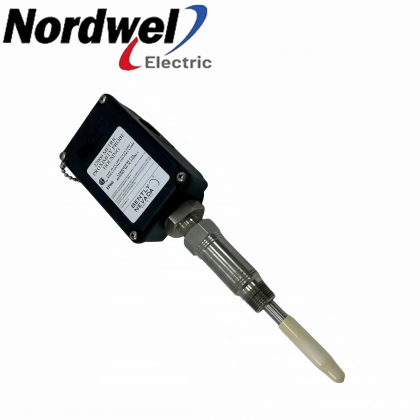
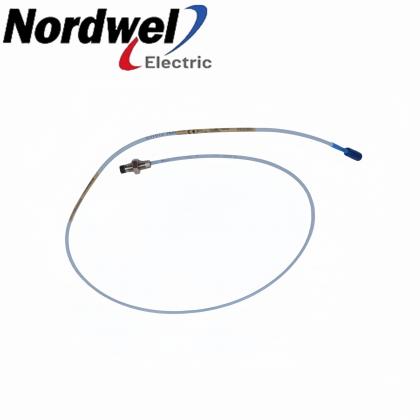
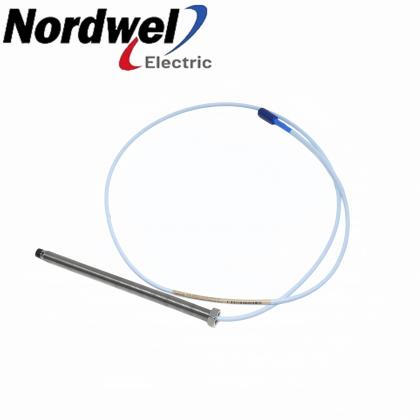
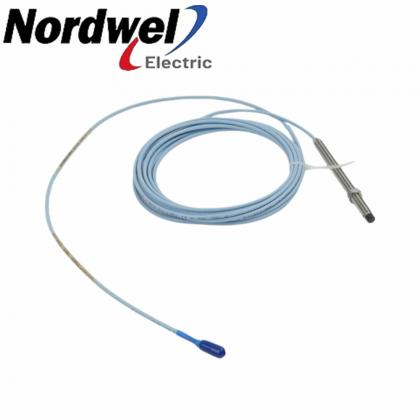
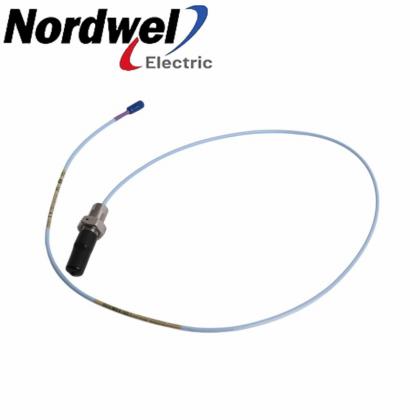
A manufacturer-sourced comparison of sensing range, scale factor, installation space, target size, system length and application boundaries across three Bently Nevada proximity transducer families.
The Bently Nevada 3300 XL 8 mm, 3300 XL NSv and 3300 XL 11 mm families all use non-contacting eddy-current measurement, but they are engineered for different mechanical spaces, targets, ranges and monitoring configurations. Choosing among them is therefore not a matter of selecting the smallest or largest probe.
The standard 8 mm family is the broad-use platform for radial vibration and position measurements on fluid-film bearing machines. NSv is designed for installations where counterbore, side-view or rear-view clearance restricts a conventional probe, and for smaller shafts or flat targets. The 11 mm family provides a longer linear range and a different scale factor for applications such as axial position, ramp differential expansion and rod position or rod drop.
Selection boundary: These are different engineered transducer families. A probe, extension cable or Proximitor Sensor should not be mixed across families merely because a connector or mounting arrangement appears compatible.
| Decision point | 3300 XL 8 mm | 3300 XL NSv | 3300 XL 11 mm |
|---|---|---|---|
| Primary role | Standard vibration and position measurement platform | Reduced-clearance and small-target applications | Longer-range vibration and displacement measurement |
| Published linear range | 2.0 mm (80 mils) | 1.5 mm (60 mils) | 4.0 mm (160 mils) |
| Published scale factor | 7.87 V/mm (200 mV/mil) | 7.87 V/mm (200 mV/mil) | 3.94 V/mm (100 mV/mil) |
| Typical system lengths | 1 m probe-only, or 5 m and 9 m systems | 5 m or 7 m systems | 5 m or 9 m systems |
| Frequency response | 0 to 10 kHz, +0/-3 dB under stated conditions | 0 to 10 kHz, +0/-3 dB typical under stated conditions | 0 to 8 kHz, +0/-3 dB typical under stated conditions |
| Flat target guidance | 15.2 mm (0.6 in) minimum diameter | 8.9 mm (0.35 in) minimum; 13 mm (0.5 in) recommended minimum | 30.5 mm (1.2 in) recommended minimum |
| Shaft-size guidance | 50.8 mm (2 in) minimum; 76.2 mm (3 in) recommended minimum | 30 mm (1.2 in) minimum for a standard X-Y probe arrangement; smaller shafts require careful review | 152 mm (6 in) recommended minimum; special spacing guidance applies below this value |
| Common applications | Radial vibration, radial/axial position, Keyphasor and speed | Small-shaft radial vibration, tight-clearance axial/radial position, tachometer, zero speed and Keyphasor | Axial position, ramp differential expansion, rod position/drop, tachometer, zero speed and Keyphasor |
Values apply only under the component combinations, targets, temperatures and test conditions stated in the respective manufacturer datasheet. Target material and geometry can change system response.
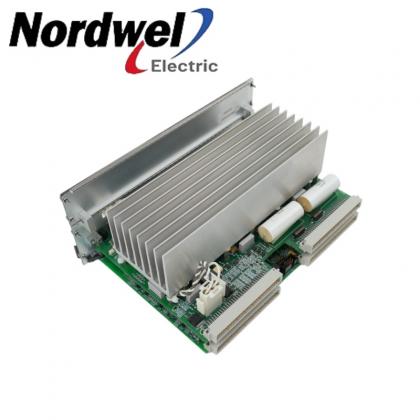
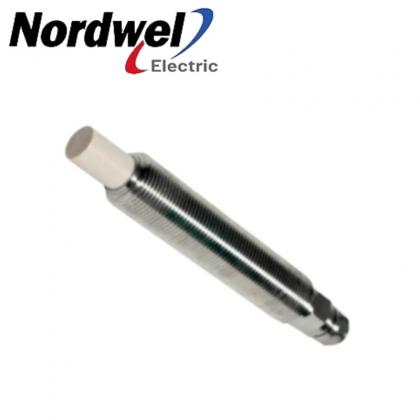
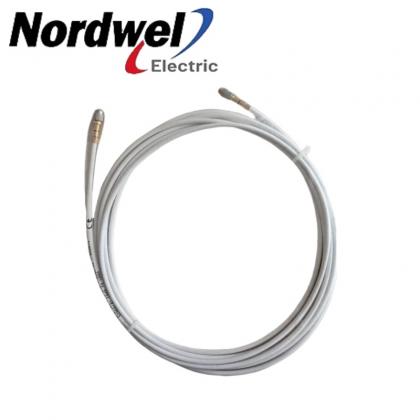
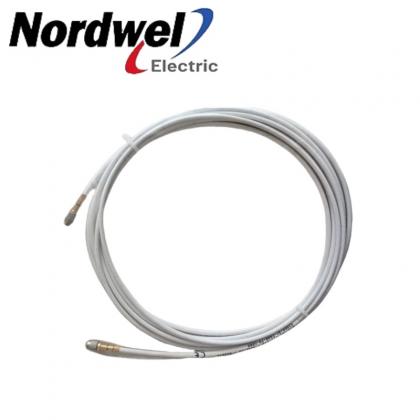
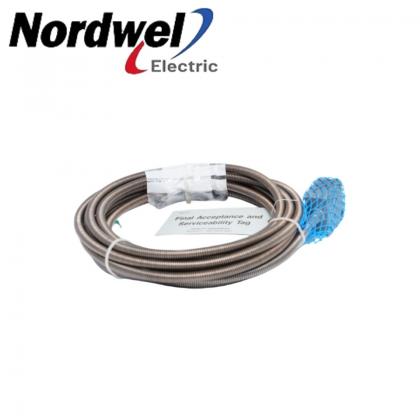
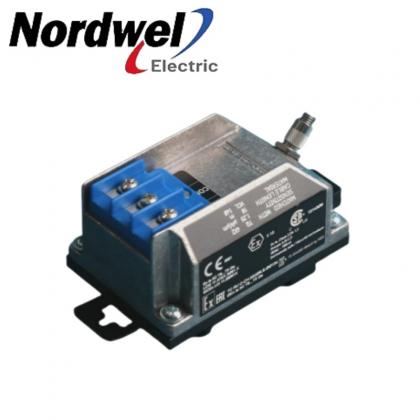
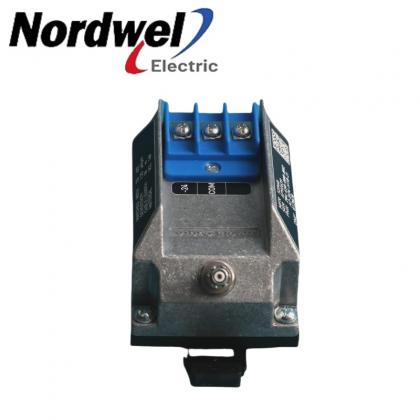
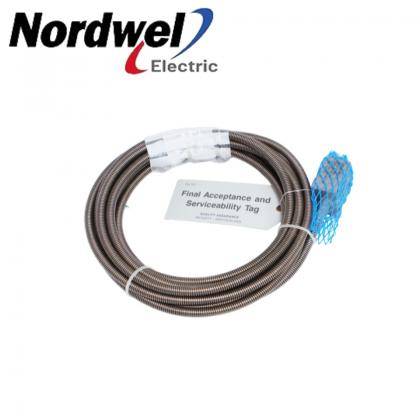
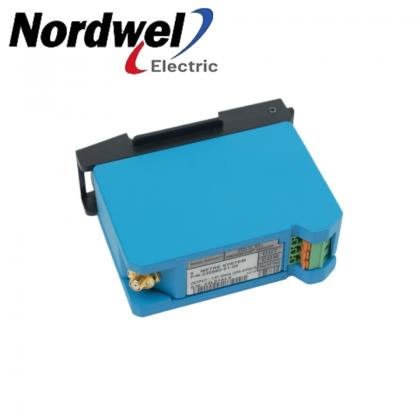
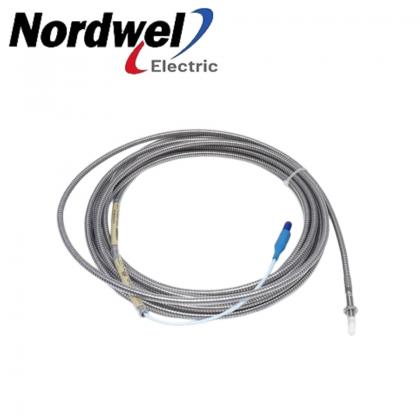
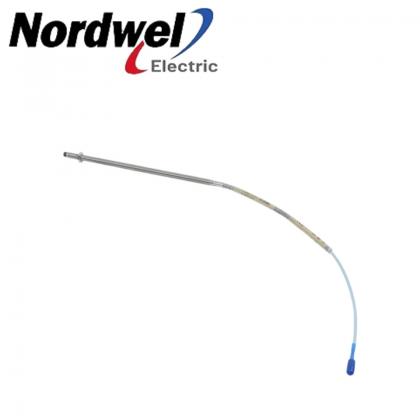
All three families are proximity transducer systems rather than standalone switches or complete monitoring systems. A complete measurement chain normally includes a matching probe, extension cable where required, Proximitor Sensor, field wiring and a compatible monitor channel.
Each system is factory characterized for specified target conditions, commonly AISI 4140 steel. Alternative target materials, small shafts, reduced clearances, probe spacing and temperature can affect scale factor or linearity and must be reviewed against the correct manual.
Baker Hughes describes the 3300 XL 8 mm system as its standard high-performance eddy-current proximity platform. It provides a 2.0 mm linear range and the widely used 7.87 V/mm scale factor. The standard five-meter system is documented as complying with API 670 requirements for mechanical configuration, linear range, accuracy and temperature stability.
The family is available in multiple probe-case arrangements, thread types, armored or unarmored cable constructions and system lengths. That flexibility does not make every ordering number equivalent. Unthreaded length, case length, total lead length, connector option, armor, approval suffix and Proximitor system length all remain part of the selection.
NSv means narrow side view. The manufacturer positions this system for centrifugal air compressors, refrigeration compressors, process gas compressors and other machines with tight installation requirements. It is intended for counterbore, side-view or rear-view restrictions that can limit standard 5 mm or 8 mm systems.
The NSv system also supports smaller targets. Baker Hughes identifies it for radial vibration measurements on shafts smaller than 51 mm (2 in) and axial position measurements on flat targets smaller than 15 mm (0.6 in), subject to the detailed target-size and scale-factor guidance in the datasheet.
Its compact geometry does not provide more range. The published linear range is 1.5 mm, shorter than the standard 8 mm system, although both use a nominal 7.87 V/mm scale factor. NSv system lengths are 5 m or 7 m, which is another reason not to substitute an 8 mm cable or Proximitor by appearance.
The 11 mm system provides a 4.0 mm linear range, twice the published range of the standard 8 mm system. Its nominal scale factor is 3.94 V/mm, half the voltage-per-distance value used by the 8 mm and NSv families. The monitor channel and engineering units must therefore be configured for the correct transducer family.
The manufacturer lists axial thrust position, ramp differential expansion on steam turbines, rod position or rod drop on reciprocating compressors, tachometer, zero speed and phase-reference measurements among its primary uses. The larger range is valuable only when the target, mechanical clearances, probe spacing and monitor configuration are also suitable.
Confirm expected static position, peak dynamic movement, alarm range and the mechanical gap available over all operating conditions.
Review shaft diameter, flat-target diameter, counterbore, side clearance, probe separation, thread and available case length.
Probe length plus extension cable length must agree with the matching Proximitor Sensor system length and monitor configuration.
Temperature, pressure boundary, connector protection, cable armor, hazardous-area approval and target material require model-specific review.
A family change can affect more than the probe body. The following items should be treated as a controlled engineering review:
These links are individual catalog references, not automatic replacements for one another. Confirm the complete ordering code and installed system before selection.
Select a question to reveal the answer.
The 3300 XL 11 mm system, at 4.0 mm (160 mils). The standard 8 mm system provides 2.0 mm and NSv provides 1.5 mm under their stated conditions.
No. The standard 8 mm and NSv families use a nominal 7.87 V/mm (200 mV/mil) scale factor. The 11 mm family uses 3.94 V/mm (100 mV/mil). Always confirm the tolerances and test conditions in the applicable datasheet.
No. NSv is a distinct transducer family designed for restricted side view, counterbore or rear clearance and smaller targets. It uses its own probes, extension cables, Proximitor Sensors and 5 m or 7 m system-length architecture.
Not as an automatic substitution. Range, scale factor, target-size guidance, mounting geometry, cables, Proximitor Sensor and monitor configuration differ. A complete engineering and configuration review is required.
When the target size, shaft diameter and available installation envelope support it and the 2.0 mm range covers the measurement. It is the standard platform, but the final choice still depends on the complete system and application.
Not automatically. NSv is designed for smaller targets, but shaft diameter, probe spacing, gap, scale-factor change and the required measurement range must be reviewed against the official graphs and limits.
Only after compatibility and configuration are confirmed. The transducer selection, scale factor, channel range, alarm setpoints and software support may need to change, particularly when moving to an 11 mm system.
Provide photographs and complete part numbers for the probe, extension cable and Proximitor Sensor; total system length; monitor and channel details; target dimensions and material; mounting geometry; approvals; quantity and delivery destination.
The 3300 XL 8 mm family is the standard platform, NSv addresses restricted geometry and small targets, and the 11 mm family provides a longer linear range with different scaling. Those differences affect the complete measurement chain—not only the probe tip.
The safest replacement process begins with the application, target and required range, then verifies the probe, cable, Proximitor Sensor, total electrical length and monitoring configuration as one engineered system.
For pricing, availability or configuration review, include the full component part numbers, installed monitor details, target geometry, quantity and delivery destination.
Technical note: Final suitability depends on the exact ordering numbers, target material and geometry, complete electrical length, monitor configuration, area classification and manufacturer instructions. Related products shown above are sourcing references, not declared substitutes.


Disclaimer:
Nordwel sells new and surplus products and develops channels for purchasing such products. This website has not been approved or recognized by any of the listed manufacturers or trademarks.