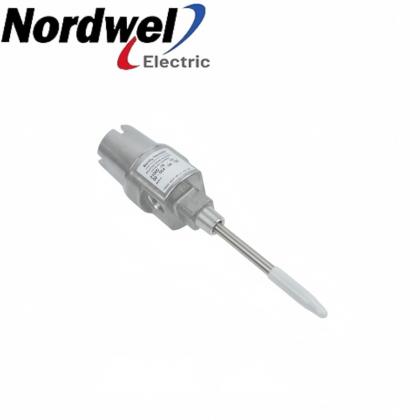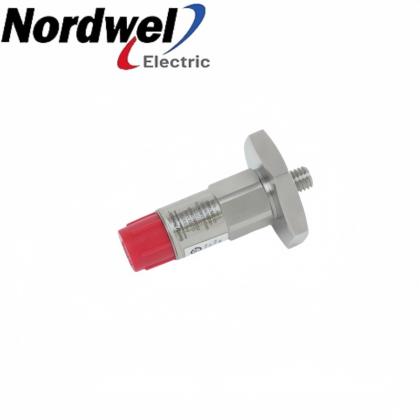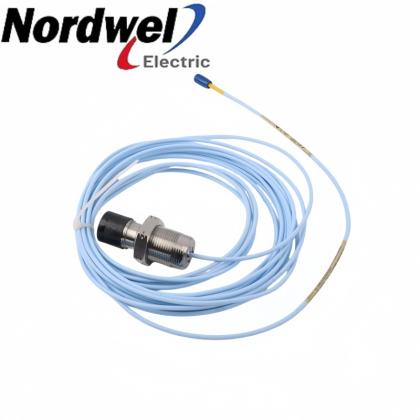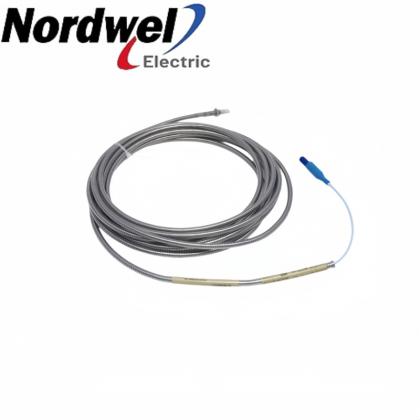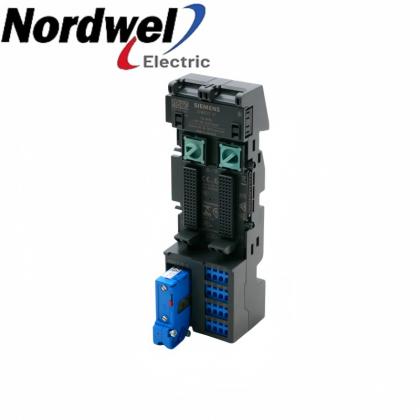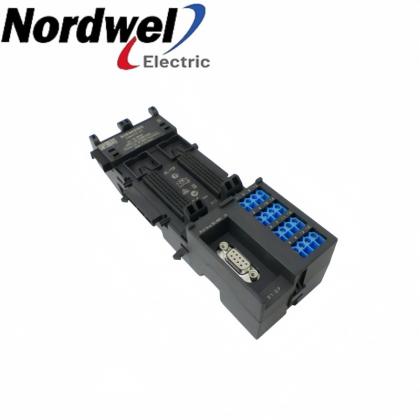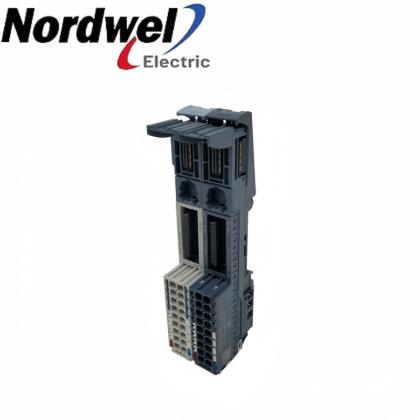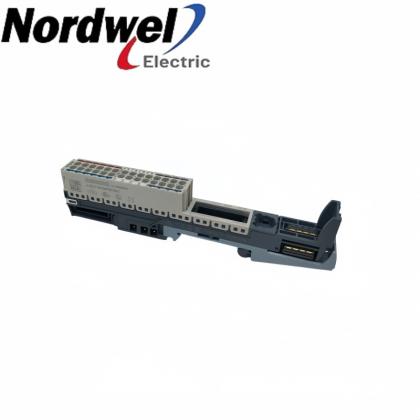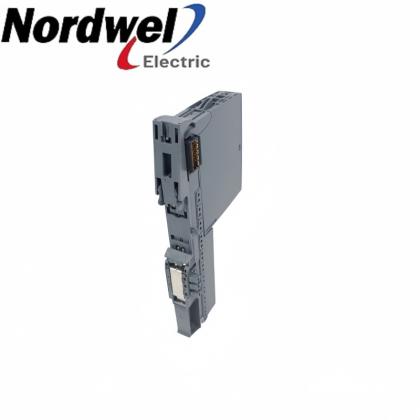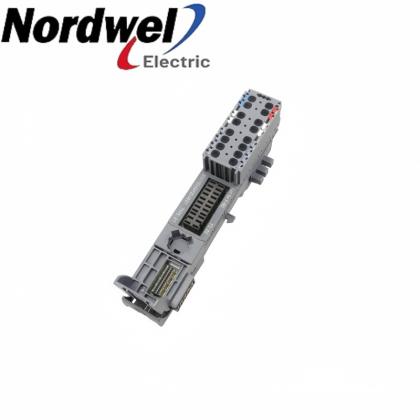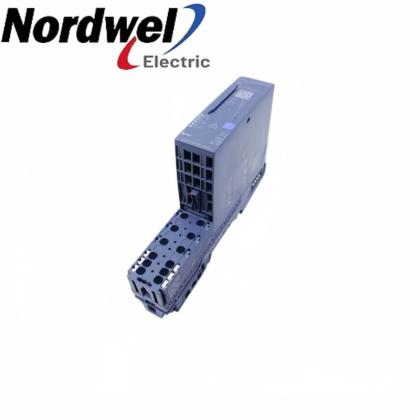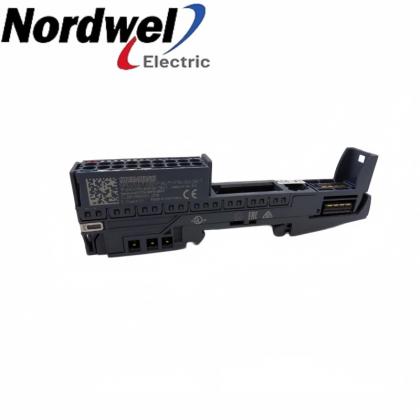
330130
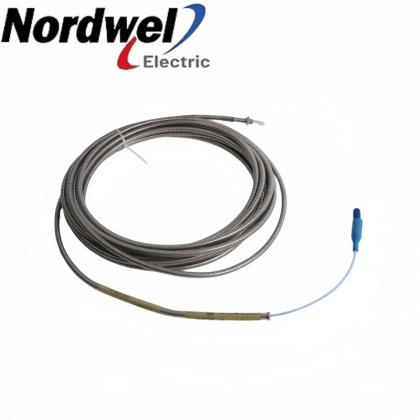
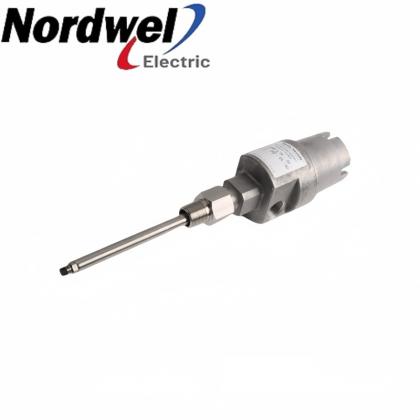
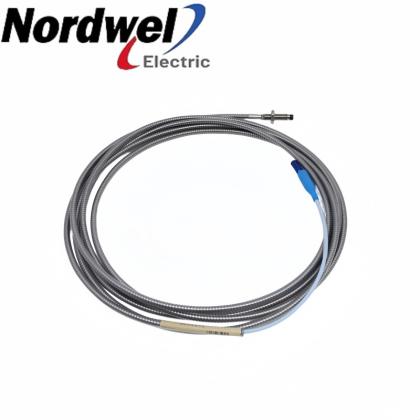
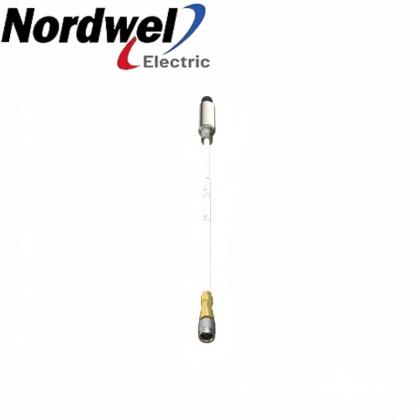
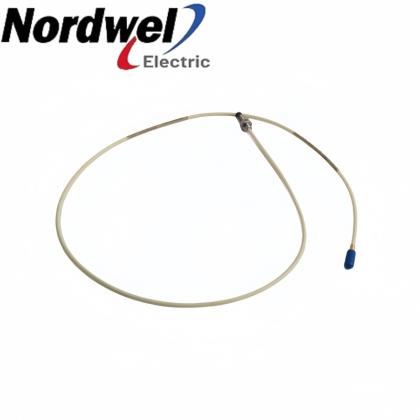
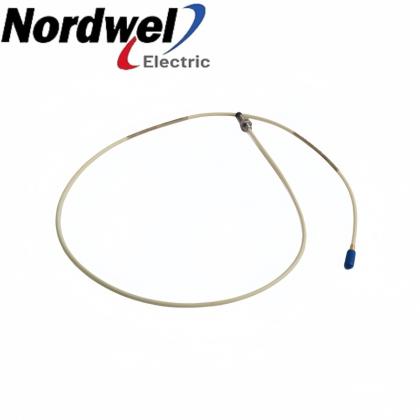
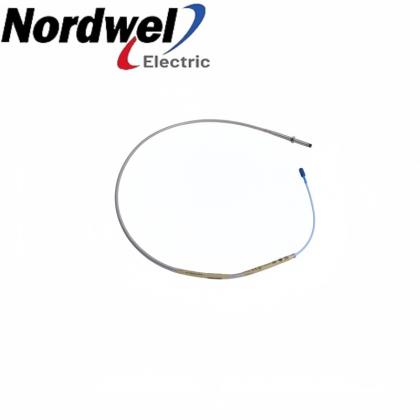
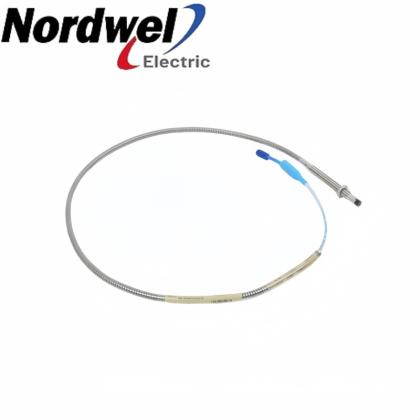
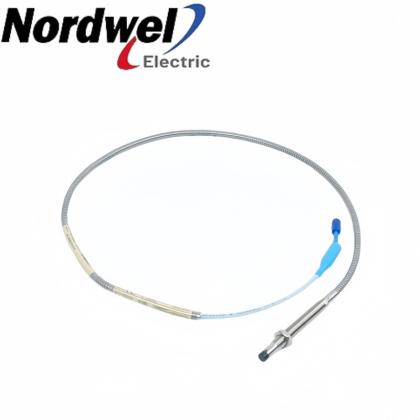
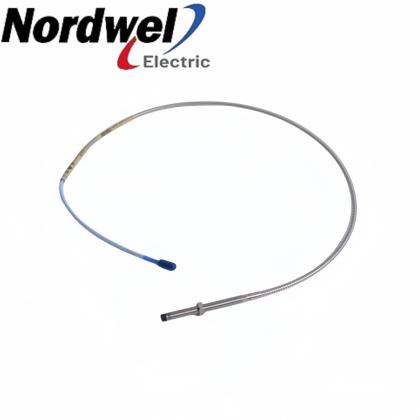
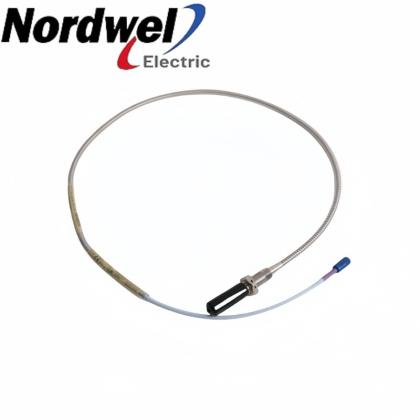
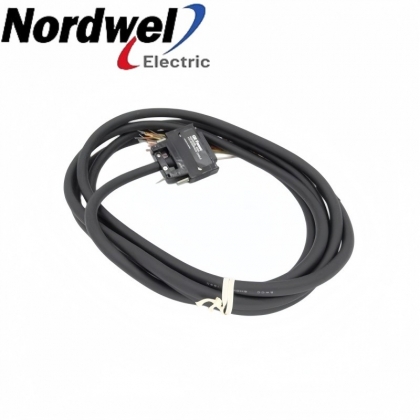
Standard extension cableThe BB field can identify standard, armored, connector-protected, FluidLoc and combined configurations. The published operating and storage temperature range is −52°C to +177°C.
−52°C+177°C
AI-era power investment is measured in gigawatts. Procurement accuracy is often decided by a few characters on a cable label.
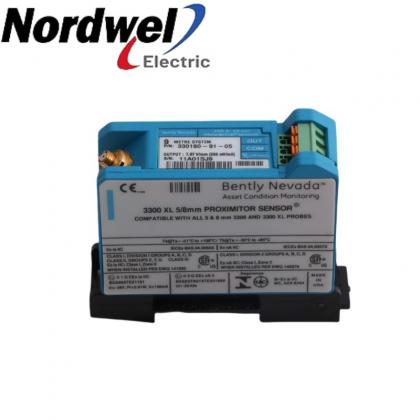
A controlled engineering record may begin with the complete probe code, extension-cable code, Proximitor Sensor identity, system length, construction option, approvals and project documentation. By the time the request reaches an overseas supplier, it may have become “Bently Nevada 3300 XL cable, eight metres, armored.” Every word may be sincere, yet the description is no longer sufficient to identify one official configuration.
That erosion matters more when delivery windows tighten. A shortened request can produce a fast price, but not necessarily a decision-ready offer. The lost information returns later as questions about system length, armor, FluidLoc construction, connector protection or approvals.
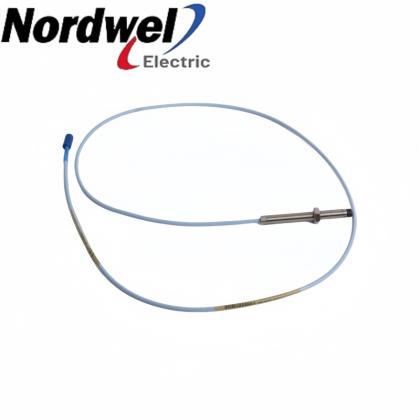
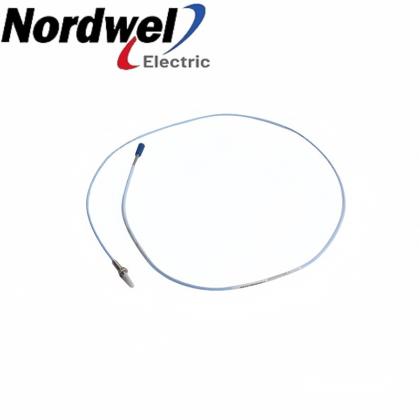
The official Bently Nevada 3300 XL 8 mm datasheet identifies the standard extension-cable family as 330130-AAA-BB-CC. Reading that structure correctly is more useful than describing the cable by color or appearance.
This equation is the point at which a “simple cable purchase” becomes a system-identification task. An eight-metre extension cable cannot be confirmed from the extension-cable description alone; the probe lead and the Proximitor Sensor system length remain part of the evidence.
Technical basis: Bently Nevada 3300 XL 8 mm Proximity Transducer System Datasheet 141194 Rev. AN.
The BB field can identify standard, armored, connector-protected, FluidLoc and combined configurations. The published operating and storage temperature range is −52°C to +177°C.
The ETR family uses its own ordering structure and offers standard or armored cable construction. The published operating and storage temperature range is −52°C to +260°C.
Those values describe official product-family limits. They do not authorize a supplier to choose a version without the project’s application record. The quotation should identify which family is offered and which evidence supports that identity.
Request photographs of the installed cable label, probe label and Proximitor Sensor label. Record the site requirement and destination before deciding which product family applies.
Confirm the label is complete, then check probe lead length, Proximitor system length, construction option, approval requirement, condition and supply documentation.
Do not treat a similar cable length or connector appearance as proof. Compare family, system length, construction, temperature range, approvals and controlled project acceptance.
International purchasing becomes more reliable when the evidence travels with the part number. The aim is not to make every RFQ long. It is to make the decision reproducible. If another engineer, buyer or receiving inspector cannot understand what controls the selection, the request is not yet transferable.
Condition and compatibility should remain separate tracks. A new or unused cable can still be the wrong configuration. A correctly identified configuration can still require an agreed condition, inspection and documentation scope. Quotations become comparable only when both tracks are visible.
The supplier’s role is to keep documented facts separate from items that still require project confirmation. That discipline supports faster decision-making because it prevents an assumption from being rediscovered after dispatch.
Industry context: Baker Hughes announcement, 27 October 2026. The announcement provides power-market context only and contains no statement that this project uses 3300 XL extension cables.
Share the extension-cable, probe and Proximitor Sensor labels with Tiffany. Nordwel can organize the commercial identification record and flag missing fields before the final offer is treated as an exact match.


Disclaimer:
Nordwel sells new and surplus products and develops channels for purchasing such products. This website has not been approved or recognized by any of the listed manufacturers or trademarks.